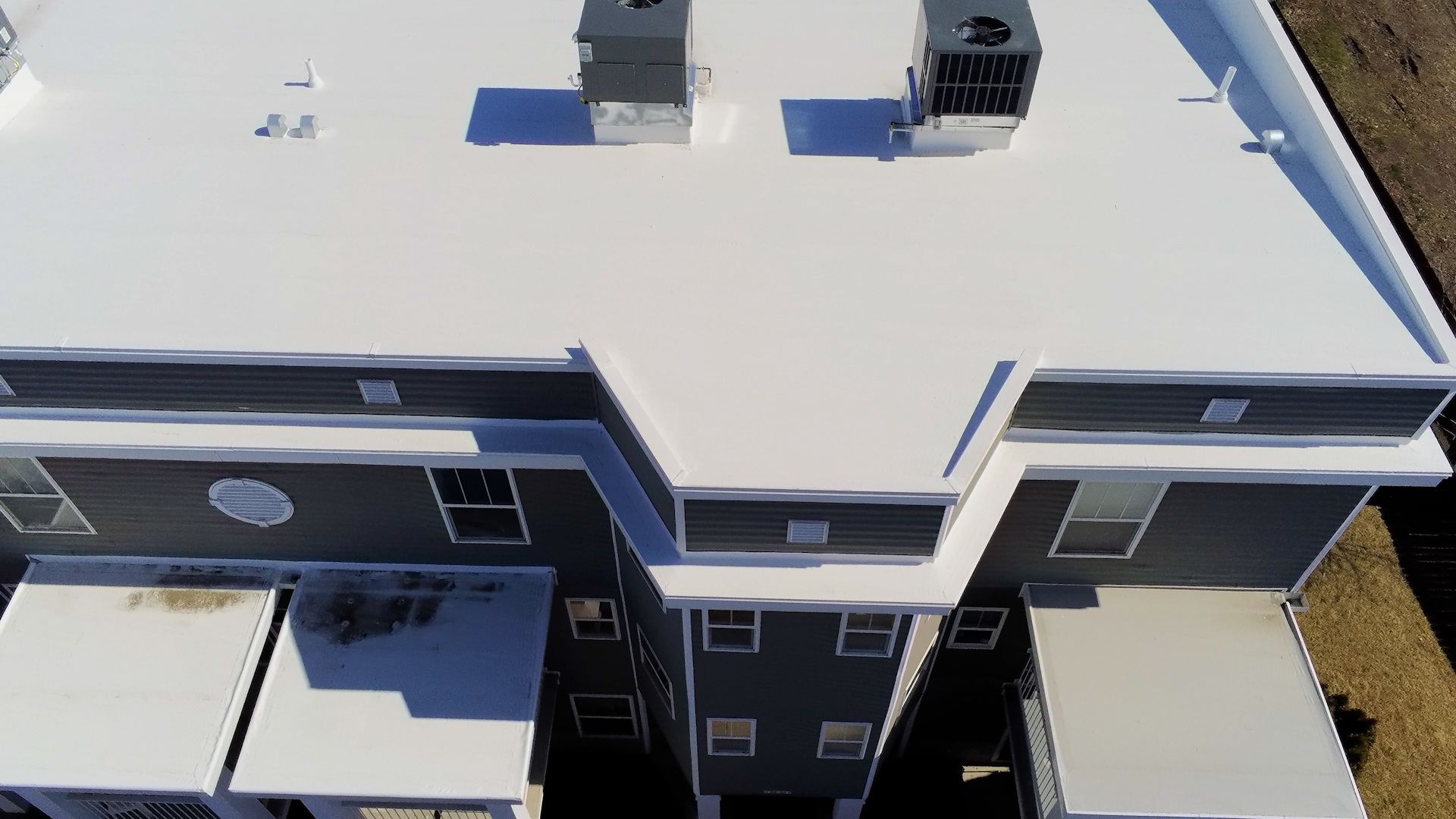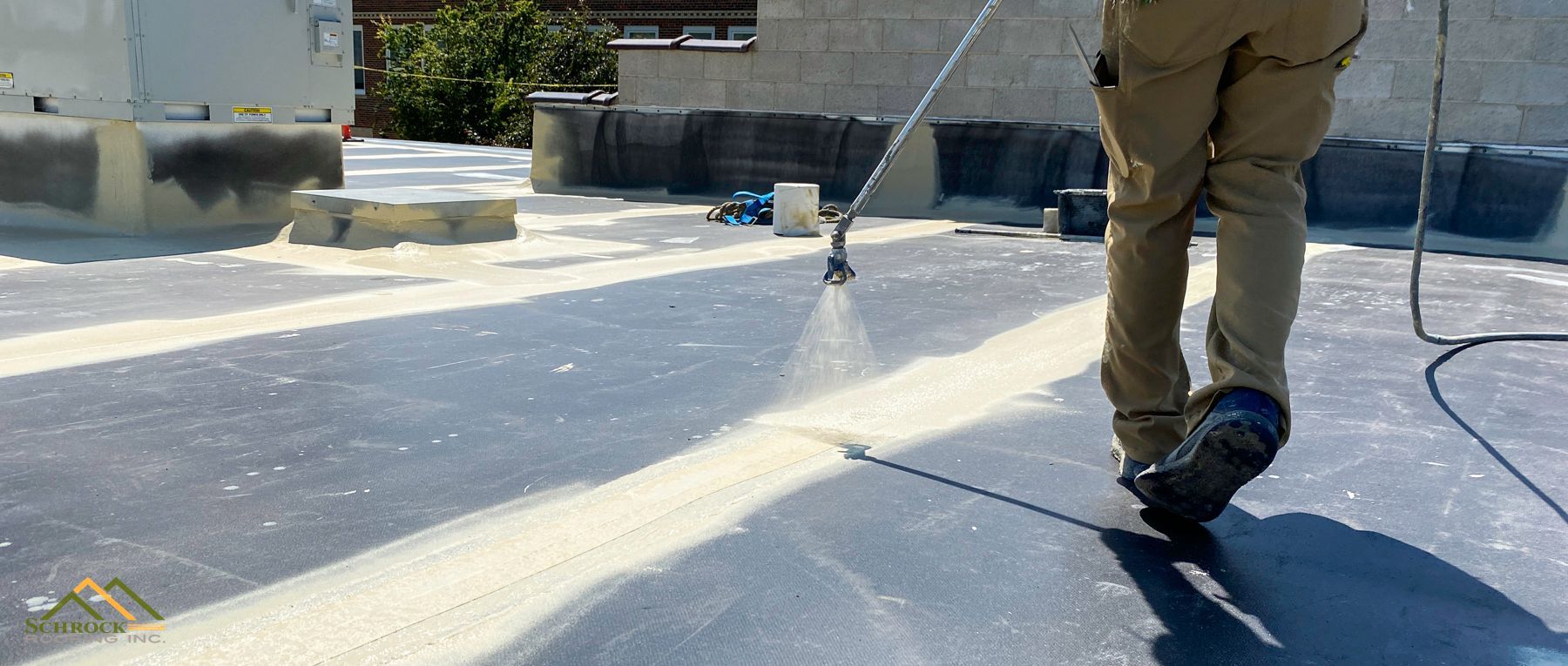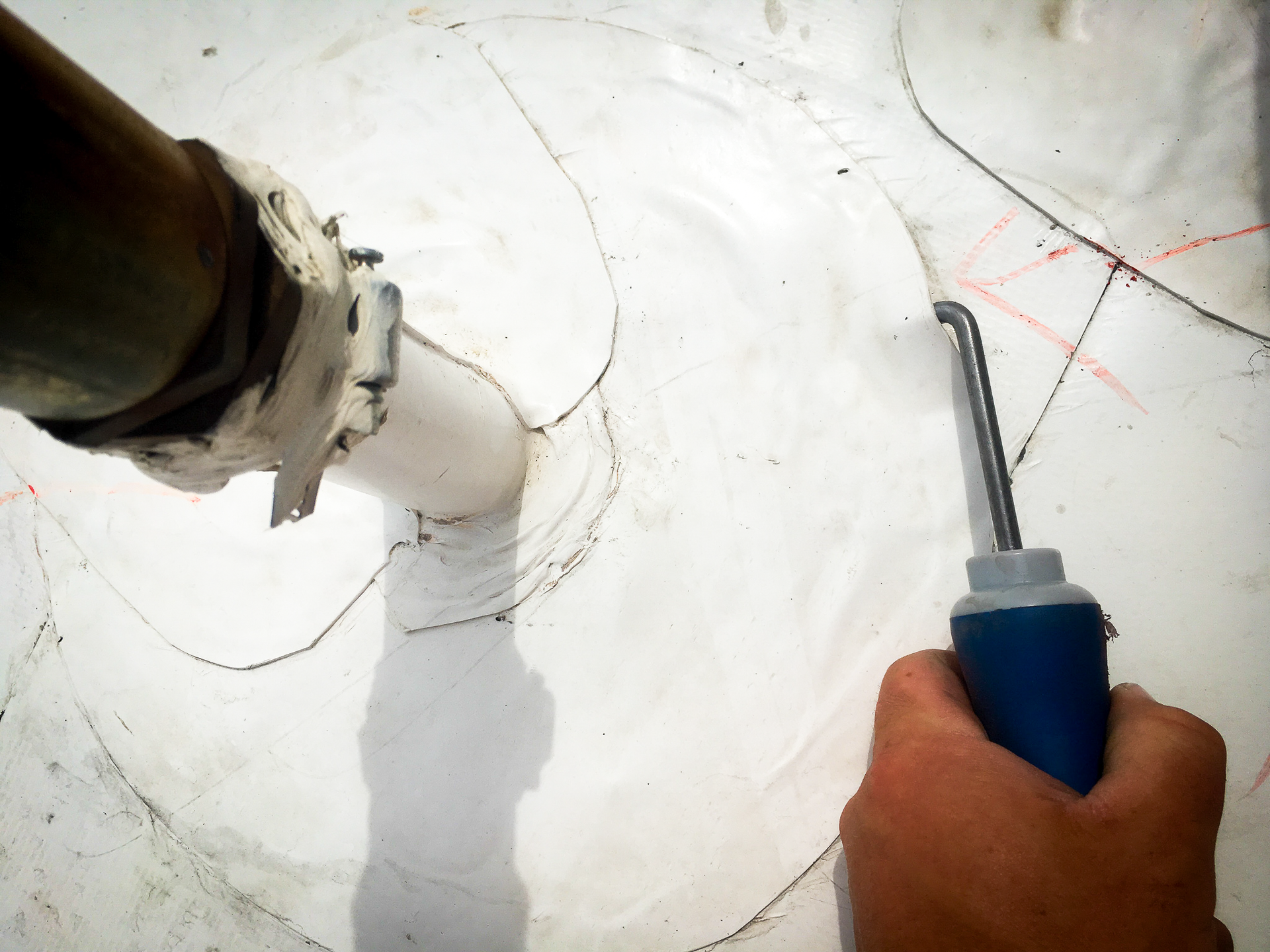
Flat Roof Waterproofing Butte, MT

Flat roof waterproofing is designed to protect buildings from water intrusion, but even well installed systems can fail over time due to a combination of environmental stress, installation issues, and lack of maintenance. In climates like Butte, MT, where roofs experience heavy snow, rain, and freeze-thaw cycles, waterproofing systems are constantly under pressure.

Schrock Roofing provides professional flat roof waterproofing services in Butte, MT, helping property owners identify failure points early and restore long term protection.

If you need flat roof waterproofing in Butte, MT, contact Schrock Roofing at (406) 961-2990 for a professional roof inspection and evaluation.

Why Flat Roof Waterproofing Fails

Flat roof waterproofing often fails due to a combination of environmental stress, poor installation, and lack of maintenance. One of the most common issues is improper surface preparation before the waterproofing layer is applied. If dust, moisture, or existing damage is not properly addressed, the waterproofing material cannot bond correctly, leading to weak spots where water can eventually penetrate. Over time, even small defects can turn into significant leaks.

Another major reason for failure is ongoing exposure to harsh weather conditions and standing water. Flat roofs are especially vulnerable to ponding water when drainage systems are inadequate or blocked, which places constant pressure on the waterproofing layer. Freeze-thaw cycles, UV exposure, and natural building movement also contribute to cracking and separation, gradually reducing the effectiveness of the system and increasing the risk of leaks.

Poor Surface Preparation Before Application

blank

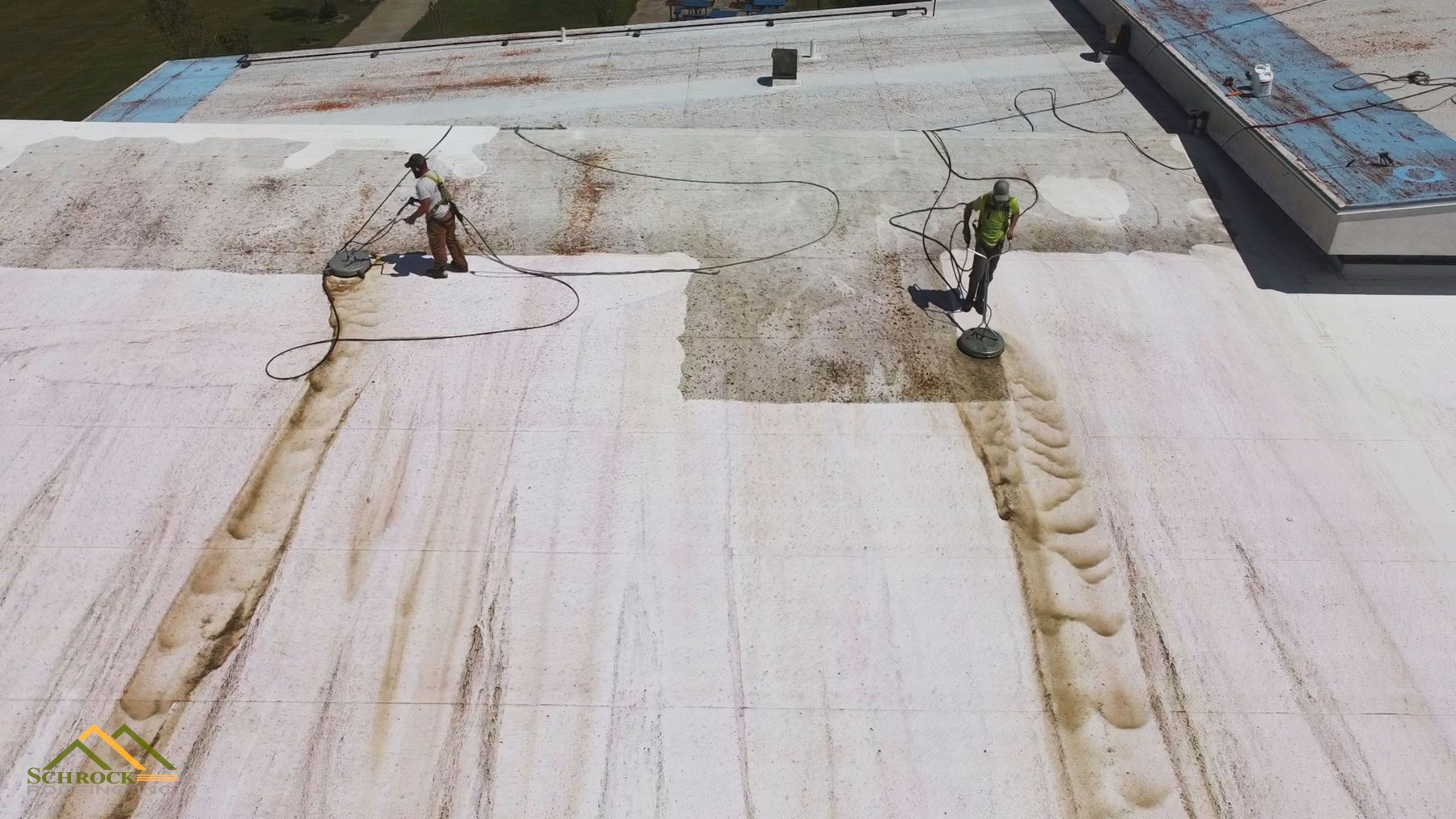
One of the most common reasons waterproofing systems fail is improper surface preparation. If the roof is not thoroughly cleaned and repaired before application, dirt, moisture, or existing damage can prevent proper adhesion. This leads to weak bonding and early breakdown of the waterproof layer.

Even small contaminants left on the surface can create pathways for water to penetrate the system over time.

Standing Water and Drainage Issues

Flat roofs are especially vulnerable to ponding water when drainage systems are clogged or the roof lacks proper slope. Standing water places constant pressure on waterproofing membranes, accelerating wear and increasing the risk of leaks.

Without effective drainage, even high quality waterproofing systems will deteriorate faster than expected.

Weather and Temperature Stress

Extreme weather conditions play a major role in waterproofing failure. Repeated freeze-thaw cycles can cause expansion and contraction in roofing materials, leading to cracks and separation. Prolonged UV exposure also weakens protective coatings and membranes.

Over time, these environmental stresses break down the waterproof barrier and reduce its effectiveness.

Improper Installation Techniques

Waterproofing systems must be installed correctly to perform as intended. Mistakes such as uneven application, poor seam sealing, or incorrect material layering can create weak points in the system.

These installation errors often remain hidden until leaks begin to appear, making them difficult to detect early.

Lack of Regular Maintenance

Routine inspections are essential for maintaining waterproofing performance. Without regular maintenance, small issues such as cracks, blisters, or seam separation can go unnoticed and worsen over time.

Preventative care helps extend system lifespan and reduces the likelihood of unexpected failures.

Aging Materials and Natural Wear

All waterproofing systems have a limited lifespan. As materials age, they naturally lose flexibility and protective strength. This makes them more prone to cracking, peeling, and water penetration.

Eventually, even well maintained systems will require restoration or reapplication to remain effective.

Roof Movement and Structural Shifts

Buildings naturally expand, contract, and shift over time due to temperature changes and settling. This movement can place stress on waterproofing layers, especially at seams and transitions.

If the system cannot accommodate this movement, cracks and separations may develop.

Importance of Early Detection

Catching waterproofing issues early is key to preventing major roof damage. Regular inspections help identify weak points before they turn into active leaks or structural concerns.

Early repairs are typically more cost effective and less disruptive than full system replacement.

Flat Roof Waterproofing Services

Schrock Roofing provides professional flat roof waterproofing services focused on long term protection, accurate diagnosis, and durable repair solutions. Their team works to identify failure points and restore waterproofing systems before significant damage occurs.

If you need flat roof waterproofing in Butte, MT, contact Schrock Roofing at (406) 961-2990 today for expert inspection and service.

FAQ

Why do flat roof waterproofing systems fail?
They fail due to poor installation, weather exposure, drainage issues, and lack of maintenance.

Can waterproofing be repaired instead of replaced?
Yes, in many cases localized repairs or recoating can restore protection.

What is the most common cause of failure?
Standing water and poor drainage are among the most common causes.

EPDM Roof Repair Butte, MT

blank

EPDM roofing systems are widely used on commercial and residential flat roofs because of their durability and flexibility, but the seams are often the most vulnerable part of the entire system. Over time, these seams can weaken due to temperature changes, UV exposure, and building movement, which may lead to small separations or leaks requiring EPDM roof repair services.

Schrock Roofing provides professional EPDM roof repair services in Butte, MT, helping property owners identify and address seam related issues before they develop into more serious roofing failures.

If you need EPDM roof repair in Butte, MT, contact Schrock Roofing at (406) 961-2990 for a professional inspection and repair assessment.

EPDM Roof Repair: All About the Seams

EPDM roof seams are one of the most critical points in a flat roofing system because they connect large membrane sheets that must remain watertight under constant stress. Over time, these seams can begin to weaken due to temperature changes, UV exposure, and natural building movement. Even small separations or adhesive breakdown can allow moisture to enter, eventually leading to leaks and insulation damage if not addressed early.

Proper EPDM roof repair focuses heavily on restoring these seams through cleaning, re-bonding, and reinforcing the affected areas. Technicians must carefully prepare the surface to ensure strong adhesion and long lasting results, since poor preparation is one of the main reasons seam repairs fail. Regular inspection and early intervention are essential to maintaining the integrity of the entire roofing system and preventing more costly damage over time.

Why EPDM Roof Seams Fail Over Time

EPDM seams are typically sealed using adhesive or specialized tape systems, but these materials can degrade as the roof ages. Constant expansion and contraction caused by temperature fluctuations puts stress on the bonded areas, gradually weakening the seal. In addition, exposure to standing water, debris buildup, and harsh weather conditions can accelerate seam deterioration.

When seams begin to fail, even small gaps can allow moisture to enter the roofing system, potentially leading to insulation damage and interior leaks.

Common Signs of Seam Damage

blank

One of the earliest signs of EPDM seam failure is visible lifting or separation along the bonded edges of the membrane. Property owners may also notice bubbling, wrinkling, or uneven areas near seams, which can indicate trapped moisture or adhesive breakdown.

In some cases, leaks may only become noticeable inside the building after water has already traveled through multiple layers of the roofing system.

How Seam Repairs Are Performed

EPDM seam repair typically involves cleaning the affected area, removing any loose or damaged adhesive, and reapplying specialized seam tape or bonding agents. Proper surface preparation is critical to ensure a strong and long lasting seal.

In more severe cases, sections of the membrane may need to be replaced if the damage extends beyond the seam itself.

Importance of Proper Installation Techniques

Many seam issues can be traced back to installation quality. If seams are not properly aligned, cleaned, or pressed during installation, they are more likely to fail prematurely. Even small installation errors can create weak points that develop into leaks over time.

Professional repair work focuses not only on fixing visible damage but also on reinforcing surrounding areas to prevent future failure.

Preventative Maintenance for EPDM Seams

Routine inspections play a key role in extending the lifespan of EPDM roofing systems. Checking seams regularly helps identify early signs of wear before they turn into major leaks. Cleaning debris, removing standing water, and addressing minor separation early can significantly reduce long term repair costs.

Preventative maintenance is especially important for flat or low slope roofs where water tends to accumulate.

Weather Impact on Seam Performance

Seam durability is heavily influenced by weather conditions. Extreme heat can soften adhesives, while freezing temperatures can cause contraction that pulls seams apart. Heavy rain and snow accumulation also increase stress on vulnerable areas of the roof.

Understanding these environmental factors helps property owners plan timely inspections and maintenance.

EPDM Roof Repair Services

Schrock Roofing provides expert EPDM roof repair services with a focus on seam restoration, leak prevention, and long-term roofing performance. Their team evaluates membrane conditions carefully to ensure durable and effective repair solutions.

If you need EPDM roof repair in Butte, MT, contact Schrock Roofing at (406) 961-2990 today for professional service and inspection.

FAQ

Why do EPDM roof seams fail?
They fail due to weather exposure, aging adhesives, and building movement over time.

How often should EPDM seams be inspected?
At least once or twice a year, especially after severe weather.

What is the most common EPDM seam issue?
Adhesive breakdown leading to lifting or separation of seams.

Flat Roof Repair Missoula, MT

flat roof repair missoula mt 1

Commercial flat roofs in Missoula face a wide range of weather stress across every season, from heavy snow and freeze-thaw cycling in winter to the thermal expansion that comes with warm, dry summers. That cycle accumulates damage year after year, and catching it early is what separates a straightforward repair from a premature replacement. Flat roof repair is how building owners in Missoula stay ahead of the curve. Call Schrock Roofing at (406) 961-2990 for flat roof repair in Missoula, MT.

What Missoula Winters Do to Flat Roof Membranes

Freeze-thaw cycling is the primary driver of flat roof deterioration in this region. When temperatures fluctuate around freezing in early spring and late fall, any water that has worked into a seam or small opening expands as it freezes, widening that gap with each cycle. By the time temperatures stabilize, what started as a hairline separation can become a meaningful leak path. Flashing around roof penetrations and HVAC curbs is especially vulnerable to this process, since it relies on flexible bonds that weaken over repeated cycles.

Snow load is a secondary concern, but ice formation at drains is the more pressing issue. When debris blocks a drain or slow drainage allows meltwater to pool and refreeze overnight, ice accumulates against membrane edges and termination strips. That repeated contact accelerates wear along the very edges where water most wants to enter.

Common Flat Roof Repair Issues on Commercial Buildings in Missoula                                                                                                   

The most frequent post-winter repair involves ponding and drain blockage. Sediment and debris accumulate at roof drains through the winter months, and once snowmelt begins, any drain that is not flowing freely allows water to sit. Ponding adds weight and accelerates membrane breakdown; clearing drains and checking for low spots early in spring is one of the most cost-effective steps a building owner can take.

Seam separation and membrane punctures round out the typical repair picture. Single-ply membranes move with temperature changes, and years of thermal expansion and contraction gradually fatigue material at seams and around penetrations. Foot traffic, rooftop equipment service, and ice removal efforts can also damage a membrane in ways that are not immediately obvious. A thorough inspection will check for soft spots caused by moisture-saturated insulation beneath the surface, which confirms that water has already moved past the visible damage point.

flat roof repair missoula montana 2

The Right Time to Schedule Flat Roofing Work in Missoula

Spring is the most productive repair window for commercial properties in Missoula. Once temperatures hold above freezing, the winter damage becomes visible: lifted seams, cracked lap edges, clogged drains, and shifted flashing. Scheduling repairs in late spring or early summer takes advantage of warm, dry conditions that allow adhesives and sealants to cure fully before fall arrives.

Fall is the second window, focused on urgent patching rather than full repairs. Any known weak points should be sealed before the first snowfall. A seam that holds through October may not hold through a Montana winter if left unaddressed, and catching it now costs a fraction of what a mid-winter emergency repair runs.

Flat Roof Repair in Missoula, MT

Missoula commercial roofs perform best when seasonal damage is addressed promptly, and repairs are timed around the region’s weather patterns. For flat roof repair in Missoula, MT contact Schrock Roofing at (406) 961-2990 today.

FAQ

Can flat roofs be repaired during winter in Missoula?
Emergency repairs can be made in cold weather using low-temperature materials, but full membrane repairs are far more effective in warmer conditions. Most adhesives and sealants have minimum temperature requirements for proper bonding. For commercial buildings in Missoula, winter is generally a time for temporary patching, with thorough repairs scheduled for spring.

How does snow and ice affect a flat commercial roof?
Snow adds weight, but the bigger concern is ice formation at drains and low points. When drains run slow or are blocked, meltwater refreezes overnight and puts repeated pressure on membrane edges and seam welds. Keeping drains clear through winter is the single most effective way to limit ice-related flat roof damage.

What signs indicate a flat roof needs repair rather than replacement?
Localized leaks at a seam, flashing, or drain are typically repair candidates. When moisture has spread through insulation across multiple areas of the roof, or when the membrane shows widespread brittleness or shrinkage, replacement becomes the more practical option. A professional inspection will identify which applies.

Metal Roof Leak Repair Butte, MT

Metal Roof Leak Repair Butte, MT 1

Metal roof leak repair is an essential part of protecting commercial buildings from water intrusion, structural deterioration, and costly interior damage. In areas like Butte, MT, where snow, wind, and temperature changes place ongoing stress on roofing systems, addressing leaks quickly helps maintain reliable building protection and long-term roof performance.

Schrock Roofing provides metal roof leak repair services for commercial properties in Butte, MT. Call 406-961-2990 to schedule an evaluation and address roofing concerns before additional damage develops.

Prompt repairs help reduce the risk of moisture intrusion, preserve structural integrity, and keep commercial roofing systems performing reliably through changing weather conditions.

Metal Roof Leak Repair Tips to Address Leaks Before They Worsen

Metal roofing systems are known for their strength, durability, and long service life. However, even the most well-installed metal roofs can develop leaks over time due to environmental exposure and natural material movement.

Some of the most common causes of metal roof leaks include:

  • Fastener loosening due to thermal expansion and contraction
  • Corrosion or rust in aging metal panels
  • Sealant failure around seams, joints, or penetrations
  • Improper installation or flashing issues
  • Damage from snow loads, hail, or falling debris

In climates like Butte, MT, where heavy snow accumulation and freeze-thaw cycles are common, metal roofs experience repeated stress that can gradually weaken seams and fasteners. Over time, these small vulnerabilities can turn into active leaks.

Key Signs You Need Metal Roof Leak Repair

Metal Roof Leak Repair Butte, MT 2

Identifying early warning signs of roof leaks is essential for preventing extensive damage. Commercial building owners should pay attention to both interior and exterior indicators.

Interior Warning Signs

Leaks often become noticeable inside the building before they are visible on the roof surface. Common interior signs include:

  • Water stains on ceilings or walls
  • Dripping water during or after storms
  • Mold or mildew growth in upper interior spaces
  • Peeling paint or bubbling drywall

These symptoms typically indicate that water has already penetrated the roofing system and is spreading through insulation or structural layers.

Exterior Roof Indicators

On the roof itself, signs of damage may include:

  • Loose or missing fasteners
  • Separated seams between metal panels
  • Rust spots or corrosion patches
  • Damaged flashing around vents or HVAC units
  • Pooling water near roof joints or low areas

Regular observation of these conditions helps building owners in Butte, MT catch problems early before they escalate into major structural issues.

Effective Methods for Metal Roof Leak Repair

Repairing a metal roof requires identifying the exact source of the leak rather than just treating visible symptoms. Professional repair methods are designed to restore both waterproofing and structural integrity.

Fastener and Seam Repairs

One of the most common repair solutions involves tightening or replacing fasteners that have loosened over time. In addition, seams between panels may be resealed using specialized roofing sealants or mechanical reinforcement.

Proper seam repair ensures that water cannot penetrate between overlapping metal sheets, which is one of the most common failure points.

Flashing and Penetration Sealing

Roof penetrations such as vents, skylights, and HVAC systems are frequent leak sources. Repairing these areas involves:

  • Removing damaged or deteriorated flashing
  • Installing new watertight flashing systems
  • Applying high-grade sealants for added protection

Because these areas are highly vulnerable to water intrusion, precise repair work is essential.

Rust Treatment and Panel Restoration

If corrosion is present, affected areas must be cleaned, treated, and sealed to prevent further deterioration. In some cases, small sections of metal panels may need patching or replacement to restore structural integrity.

Addressing rust early is especially important in snowy environments like Butte, MT, where moisture exposure is frequent.

Why Timely Metal Roof Repair Matters

Delaying roof repairs can significantly increase long-term costs. Even a small leak can lead to insulation damage, structural weakening, and interior property loss.

Key benefits of timely repair include:

  • Preventing widespread water damage
  • Extending the lifespan of the roofing system
  • Reducing energy loss caused by insulation saturation
  • Avoiding costly emergency repairs or replacements

For commercial buildings, maintaining a watertight roof is essential for operational continuity and asset protection.

Metal Roof Leak Repair Experts

Metal roof leak repair is critical for protecting commercial buildings, inventory, and daily operations from water-related damage. Understanding the warning signs and common causes of leaks helps property owners address roofing concerns early, reducing the risk of costly repairs and supporting long-term roof performance.

Schrock Roofing provides metal roof leak repair services for commercial properties in Butte, MT. Call 406-961-2990 to explore repair solutions designed to restore dependable protection and maintain commercial roofing performance.

Addressing leaks quickly helps preserve structural integrity, reduce moisture-related issues, and keep commercial roofing systems performing reliably through changing weather conditions.

FAQ

What is the most common cause of metal roof leaks?
Loose fasteners and failing seam seals are among the most common causes of metal roof leaks.

Can small metal roof leaks be repaired without replacing the roof?
Yes, most minor leaks can be repaired using sealants, fastener replacement, or localized patching.

Why do metal roofs leak around seams and joints?
Seams and joints expand and contract with temperature changes, which can weaken seals over time.

Is rust always a sign that a roof needs replacement?
Not always. Surface rust can often be treated and repaired if caught early before structural damage occurs.

TPO Roof Repair Butte, MT

TPO Roof Repair Butte, MT 1

For commercial property owners in Butte, MT, maintaining a durable and watertight roofing system is essential for protecting buildings from harsh weather conditions, heavy snowfall, and seasonal temperature swings. One of the most widely used commercial roofing materials today is TPO (Thermoplastic Polyolefin), valued for its energy efficiency and durability. However, even high-quality systems require professional TPO roof repair when damage or wear occurs.

In Butte, MT, businesses rely on Schrock Roofing to diagnose and resolve roofing issues efficiently. For expert service and consultation, contact 406-961-2990.

TPO Roof Repair: Common Leak Areas

TPO roofing is a single-ply membrane system commonly used on commercial flat and low-slope roofs. It is known for its reflective surface, which helps reduce cooling costs, and its resistance to UV rays, chemicals, and punctures. Despite these advantages, TPO roofs are not immune to damage over time.

Why TPO Roofs Are Popular in Commercial Buildings

Commercial property owners choose TPO roofing because it offers:

  • Energy efficiency through reflective surfaces
  • Cost-effective installation compared to other systems
  • Resistance to mold, dirt buildup, and algae growth
  • Flexibility for large roof surfaces

However, environmental exposure and aging can lead to issues that require professional repair.

Common Causes of TPO Roof Damage

TPO Roof Repair Butte, MT 2

TPO roofing systems can develop problems due to:

  • Extreme temperature fluctuations
  • Improper installation or seam welding
  • Standing water on flat surfaces
  • Physical damage from foot traffic or equipment

Understanding these causes helps property owners identify risks early and seek timely repairs.

Common Leak Areas Requiring TPO Roof Repair

Leaks in TPO roofing systems often occur in specific areas where seams, penetrations, or transitions are present. Identifying these vulnerable points is critical for effective maintenance.

Seam Failures

Seams are one of the most common failure points in TPO roofs. These seams are heat-welded during installation, but over time they may weaken due to:

  • Thermal expansion and contraction
  • Poor initial welding
  • Aging adhesive breakdown

When seams separate, water can easily penetrate the roofing system, leading to interior damage.

Roof Penetrations

Roof penetrations such as HVAC units, vents, and pipes are highly vulnerable areas. Improper sealing around these structures can allow water infiltration. Flashing materials may also degrade over time, creating additional leak risks.

Membrane Punctures and Tears

TPO membranes can be punctured by:

  • Heavy maintenance foot traffic
  • Falling debris
  • Sharp equipment edges

Even small punctures can expand over time if not repaired promptly.

Drainage and Ponding Areas

Flat commercial roofs often experience water pooling if drainage systems are blocked or insufficient. Standing water increases stress on the membrane and can lead to premature deterioration.

Edge and Flashing Failures

Roof edges and flashing areas are exposed to wind uplift and environmental stress. If these components loosen or deteriorate, they can create entry points for moisture.

The Importance of Professional TPO Roof Repair

Attempting to fix TPO roofing issues without professional expertise can lead to further damage. Certified roofing contractors understand the correct repair methods and materials required for long-lasting results.

Precision Welding and Seam Repair

Professional roofers use specialized heat-welding tools to properly reseal TPO seams. This ensures a watertight bond that restores the integrity of the roofing system.

Proper Material Matching

Using compatible TPO materials is essential for successful repairs. Professionals ensure that patches and membranes match the existing system for durability and performance.

Preventive Maintenance Benefits

Routine inspections and maintenance help identify early signs of damage before they become costly repairs. Preventive care extends the life of the roofing system and reduces long-term expenses.

How Climate in Butte, MT Impacts TPO Roofing

The climate in Butte, MT presents unique challenges for commercial roofing systems. Cold winters, heavy snowfall, and strong winds can all contribute to roof wear and tear.

Freeze-Thaw Cycles

Repeated freezing and thawing can cause seams to expand and contract, weakening their bond over time.

Snow Load Stress

Accumulated snow adds weight and pressure to flat roofing systems, increasing the risk of membrane strain and drainage issues.

UV and Temperature Exposure

Even in colder climates, UV exposure during summer months can degrade roofing materials, making regular inspection and repair essential.

TPO Roof Repair Experts

For businesses in Butte, MT, maintaining a reliable roofing system is essential for operational stability and property protection. Understanding common leak areas and addressing them through professional TPO roof repair helps prevent costly damage and ensures long-term performance.

With the expertise of Schrock Roofing, commercial property owners receive dependable repair solutions tailored to local climate conditions and roofing system demands. To protect your investment and schedule professional service, contact 406-961-2990 and contact trusted roofing specialists serving Butte, MT.

FAQ

What is TPO roof repair?
TPO roof repair involves fixing damaged seams, punctures, flashing, and membrane issues in thermoplastic olefin roofing systems.

What causes TPO roof leaks?
Leaks are commonly caused by seam failures, punctures, poor drainage, or deterioration around roof penetrations.

Can TPO roofs be repaired without replacement?
Yes. Many TPO roofing issues can be effectively repaired without requiring a full roof replacement.

How long does a repaired TPO roof last?
With proper maintenance and professional repair, a TPO roof can continue performing well for many additional years.

Flat Roof Repair Rexburg, ID

Flat Roof Repair Rexburg, ID 1In Rexburg, ID, commercial property owners rely heavily on flat roofing systems to protect warehouses, retail spaces, and office buildings from harsh weather conditions, including heavy snowfall, wind, and seasonal temperature swings. When damage occurs, understanding how flat roof repair connects to insurance coverage can make a significant difference in how quickly and effectively a building is restored. In Rexburg, ID, Schrock Roofing provides professional flat roof repair services and guidance to help property owners navigate insurance-related roofing claims. For assistance, contact (406) 961-2990.

Flat roofs are durable and cost-effective, but they are also vulnerable to water pooling, seam separation, and storm-related damage. When issues arise, insurance may cover repairs, but only if the damage is properly documented and the claim is handled correctly.

Flat Roof Repair and Insurance Claims: How to Get Your Damage Covered

Understanding what leads to roofing issues is the first step in determining whether damage may qualify for an insurance claim.

Storm Damage and Severe Weather Events

In regions like Rexburg, ID, heavy snowfall, hail, and high winds are common causes of flat roof damage. Hail can puncture roofing membranes, while wind can loosen flashing or tear seams. Snow accumulation adds significant weight, which may stress the structure and lead to sagging or leaks.

Insurance policies often cover sudden storm-related damage, but proper inspection and documentation are essential for approval.

Ponding Water and Drainage Failures

Flat roofs rely on properly functioning drainage systems. When drains become clogged or slopes are inadequate, water can pool on the roof surface.

Over time, ponding water weakens roofing materials, leading to leaks and membrane deterioration. While some insurance policies may cover resulting damage, they typically do not cover issues caused by long-term neglect, making maintenance records important.

Membrane Wear and Seam Separation

Most commercial flat roofs use membranes such as EPDM, TPO, or modified bitumen. These materials can degrade over time due to UV exposure and thermal expansion.

Seams may separate, and small cracks can form, allowing water infiltration. Insurance coverage depends on whether the damage is sudden or considered wear and tear.

How Insurance Companies Evaluate Flat Roof Repair Claims

Insurance providers carefully assess roof damage before approving claims. Understanding their process can help building owners prepare stronger cases.

Flat Roof Repair Rexburg, ID 2Documentation and Visual Evidence

One of the most important steps in filing a claim is documenting the damage immediately. Photos, videos, and written reports help establish the condition of the roof after a weather event.

A professional inspection from a qualified roofing contractor can provide detailed documentation that strengthens the claim.

Distinguishing Between Sudden Damage and Wear

Insurance companies typically cover sudden, accidental damage but may deny claims related to aging or lack of maintenance.

For example, hail damage from a storm is more likely to be covered than leaks caused by years of membrane deterioration. Proper assessment helps distinguish between these scenarios.

Adjuster Inspections and Roof Assessments

After a claim is filed, an insurance adjuster will inspect the roof. Their findings play a major role in determining coverage.

Having a roofing contractor present during the inspection can help ensure that all damage is properly identified and documented.

The Roof Repair Process After a Covered Claim

Once insurance approval is granted, the repair process can begin. This ensures the roof is restored to a safe and functional condition.

Temporary Repairs and Damage Control

If the roof is actively leaking, temporary repairs may be installed to prevent further interior damage while insurance approval is pending.

This step helps protect the building’s interior and minimizes business disruption.

Full Repair or Partial Replacement

Depending on the extent of the damage, flat roof repair may involve patching damaged areas, replacing sections of membrane, or installing new flashing and insulation.

Severe damage may require partial or full roof replacement.

Quality Assurance and Final Inspection

After repairs are completed, a final inspection ensures the roofing system is watertight and properly restored. This step helps prevent future issues and confirms that insurance requirements have been met.

Flat Roof Repair Experts

In Rexburg, ID, commercial roofs must withstand seasonal weather changes, including snow loads and freeze-thaw cycles. These conditions increase the risk of roofing damage and make timely repairs essential.

Professional flat roof repair ensures that damage is properly assessed, documented, and repaired according to industry standards, especially when insurance claims are involved.

In Rexburg, ID, Schrock Roofing provides expert flat roof repair services and assistance with insurance claim documentation to help commercial property owners restore their roofing systems efficiently. To schedule an inspection or get help with storm damage claims, contact (406) 961-2990 today.

FAQ

What types of flat roof damage are usually covered by insurance?
Storm damage such as hail, wind damage, and sudden punctures are commonly covered, depending on the policy.

Does insurance cover leaks caused by aging roofs?
Typically, gradual wear and tear or lack of maintenance is not covered by insurance.

Why is roof documentation important for claims?
Photos and inspection reports help prove the extent and cause of the damage.

Can a contractor help with my insurance claim?
Yes, roofing contractors can assist with inspections, documentation, and communication with adjusters.

Planning a Commercial Roof Budget in Montana

Planning a Commercial Roof Budget in Montana 1

A commercial roof is one of the largest capital investments a Montana building owner or property manager will make. Whether you oversee a warehouse in Billings, a retail strip in Great Falls, or an office complex in Missoula, the commercial roof budget planning process matters as much as the project itself.

Working with companies to ensure they get the best value for their investment is the focus for Schrock Roofing. Call 406-961-2990 today and schedule your consultation.

Commercial Roof Budgeting in Montana

Getting the numbers right before work begins protects your bottom line and keeps your operation running without costly interruptions.

Estimating Replacement Costs

Commercial roofing costs in Montana vary based on building size, roofing system type, existing conditions, and accessibility. A full replacement on a flat or low-slope commercial roof typically ranges from $8 to $20 per square foot depending on materials. TPO, EPDM, modified bitumen, and metal each carry different price points and long-term performance profiles.

Montana’s climate adds layers of complexity to that estimate. Freeze-thaw cycles, heavy snow loads, and high-wind exposure in mountain and plains regions can accelerate wear and increase both material and labor requirements. Any honest estimate must account for decking condition, insulation upgrades required by current energy codes, and drainage improvements. Requesting a detailed, line-item proposal rather than a single lump-sum figure gives you the visibility needed to plan accurately.

Planning a Commercial Roof Budget in Montana 2

Capital Budget Planning

Most commercial roofs have a service life of 15 to 30 years depending on the system and maintenance history. Treating your roof as a long-term capital asset rather than a reactive expense changes how you plan for it financially.

Building a reserve fund specifically for roofing is standard practice for experienced property managers. A useful rule of thumb is to set aside roughly 1 to 3 percent of the roof replacement cost annually. Pairing that reserve strategy with a current roof assessment from a qualified contractor gives you a realistic timeline and helps you avoid being caught off guard when deterioration accelerates.

For commercial property owners in Montana, it also pays to account for seasonal scheduling constraints. Roofing windows are tighter here than in warmer climates, and project delays caused by early winter weather can push timelines and budgets if work is not planned well in advance.

Financing and Phasing Options

Not every organization can absorb a full roof replacement in a single budget cycle. Fortunately, there are practical alternatives. Many commercial roofing contractors, including Schrock Roofing, can work with clients to phase larger projects across multiple seasons, tackling the most critical sections first while spreading costs over time.

Financing options through equipment and commercial improvement lenders are also worth exploring. Some Montana businesses qualify for energy efficiency incentives when upgrading to highly reflective or better-insulated roofing systems, which can offset upfront costs. Consulting with your accountant about depreciation treatment and Section 179 deductions for commercial roofing work may also reduce the effective cost of the project.

Avoiding Surprise Expenses

The most common source of budget overruns in commercial roofing is hidden damage that only becomes visible once tear-off begins. Wet or deteriorated insulation, rotted decking, failed flashings, and drainage problems are frequently discovered during removal, and each adds cost and time to the project.

A thorough pre-project inspection, including infrared moisture scanning where warranted, can surface many of these issues before contract signing. Building a contingency of 10 to 15 percent into your budget is standard practice and a reasonable buffer against the unexpected. Cutting corners on inspection to save money upfront routinely costs more in change orders than the inspection would have.

Montana weather also warrants contingency planning for scheduling. A late-season storm or an early freeze can require temporary waterproofing measures that add to project costs if not anticipated.

Working With a Roofing Partner

The contractor relationship you choose has a direct impact on whether your project lands on budget. A roofing partner with deep Montana experience understands local code requirements, material performance in high-altitude and high-wind environments, and the scheduling realities of working in this climate.

Schrock Roofing brings that local expertise to every commercial project. From initial inspection and cost estimation through project completion and long-term maintenance planning, the goal is to keep you informed and in control of your investment from start to finish. Transparent communication, detailed proposals, and honest assessments of your roof’s condition are the foundation of a partnership built to last as long as the roof itself.

Ready to start planning? Contact Schrock Roofing today at 406-961-2990 for a commercial roof assessment and budget consultation.

FAQ

How far in advance should I start budgeting for a commercial roof replacement in Montana?
Ideally, begin the planning process at least one to two years before a replacement is needed. Montana’s limited roofing season means scheduling fills quickly, and having a current inspection on file gives you accurate cost data before you need to commit funds.

Does the type of roofing system affect long-term budget planning?
Yes, significantly. Systems like TPO and EPDM tend to have lower upfront costs but differ in lifespan and maintenance requirements compared to metal roofing. Understanding the total cost of ownership over 20 to 30 years, not just the installation price, leads to smarter capital planning decisions.

What should I look for in a commercial roofing proposal to avoid hidden costs?
Look for line-item breakdowns that separate labor, materials, decking inspection, insulation, and disposal. A proposal that lists only a total project figure makes it difficult to identify what is and is not included, which is where unexpected charges tend to surface later.

Flat Roof Sealing Butte, MT

Flat Roof Sealing Butte, MT 1

If you own or manage a commercial property in Butte, Montana, you’ve probably heard it before: flat roofs leak. It’s practically accepted as fact, a cost of doing business, an inevitability baked into the building itself. But that assumption is costing property owners thousands of dollars in unnecessary repairs, and it’s simply not true. Flat roofs don’t have to leak. With proactive flat roof sealing, they can perform reliably for decades.

Schrock Roofing focuses on getting the most from your existing commercial roof. Call 406-961-2990 and speak with an expert today.

The Case for Proactive Flat Roof Sealing

Flat Roof Sealing Butte, MT 2

Flat roofs don’t fail because of bad design. They fail because of neglect. Unlike sloped roofs, flat roofing systems rely entirely on membrane integrity and proper drainage to move water off the surface. When seams separate, coatings degrade, or flashing pulls away from penetrations, water finds a way in, not dramatically, but slowly, invisibly, until the damage is already done.

Butte’s climate makes this problem worse. Harsh winters, freeze-thaw cycles, and heavy snow loads put flat roofing membranes under constant stress. UV exposure during summer months accelerates coating breakdown. By the time a leak shows up on your ceiling, the underlying membrane has likely been compromised for months.

Reactive vs. Proactive: The Cost Difference

Most building owners operate on a reactive maintenance model: wait for a leak, call a roofer, patch the problem. It feels cost-effective in the short term, but the math doesn’t hold up.

A single water intrusion event can damage insulation, interior finishes, electrical systems, and stored inventory. Emergency repair rates are higher. Repeated patching without addressing root causes leads to accelerating deterioration. A flat roof that could have lasted 20 years with proper maintenance might need full replacement in 10.

Proactive sealing flips that equation. Scheduled inspections, recoating at the right intervals, and addressing minor seam or flashing issues before they open up keeps the membrane intact and extends the roof’s functional lifespan significantly. The upfront investment is modest compared to the cost of water damage or premature roof replacement.

What Proactive Flat Roof Sealing Involves

Proactive sealing isn’t a single product or one-time application. It’s a maintenance strategy built around the specific needs of your roofing system. Common components include:

Membrane inspection and cleaning. Before any sealant is applied, the roof surface needs to be evaluated for existing damage, pooling water issues, and debris buildup. Dirt and organic growth degrade coatings faster and mask developing problems.

Seam and flashing reinforcement. The seams where membrane sections overlap, and the flashing around vents, HVAC units, skylights, and parapet walls, are the most vulnerable points on any flat roof. Resealing these areas on a scheduled basis prevents the small separations that turn into major leaks.

Recoating. Elastomeric and reflective roof coatings protect the membrane from UV damage and thermal stress. Most coatings have a service life of five to ten years depending on material and exposure. Recoating before a coating fails completely is far less expensive than dealing with the membrane damage that follows.

Drainage maintenance. Flat roofs depend on properly functioning drains and scuppers. Standing water accelerates membrane deterioration and adds structural load. Keeping drainage clear is a basic but critical part of any sealing maintenance plan.

Why Butte Properties Are Especially at Risk

Commercial flat roofs in Butte face conditions that many other markets don’t. Temperatures can swing dramatically between seasons, and freeze-thaw cycles in spring and fall are particularly hard on sealants and membranes. Snow accumulation adds weight and prolonged moisture exposure. A proactive sealing schedule designed specifically for Montana’s climate, not a generic national maintenance template, makes a meaningful difference in long-term performance.

The Right Time for Flat Roof Sealing

If your flat roof isn’t showing signs of leaks right now, that’s exactly the right time to schedule an inspection. Identifying minor wear, early seam separation, or coating degradation before water infiltrates is the difference between a maintenance visit and a major repair bill.

Schrock Roofing works with commercial property owners throughout Butte and the surrounding area to develop proactive flat roof sealing plans built around their specific roofing systems and budget. Whether your building has an EPDM membrane, TPO, modified bitumen, or a built-up roof, the goal is the same: keep water out before it becomes a problem.

Contact Schrock Roofing today at 406-961-2990 to schedule a flat roof inspection and find out where your roof stands.

FAQ

How often should a commercial flat roof be resealed in a climate like Butte’s?
Most commercial flat roofs benefit from a professional inspection every one to two years, with recoating typically needed every five to ten years depending on the membrane material and coating type. Montana’s freeze-thaw cycles and UV exposure can shorten those intervals, so having a local roofer assess your specific system is more reliable than following a generic schedule.

What’s the difference between patching a flat roof and sealing it?
Patching addresses a specific damaged area after a problem has already developed. Sealing, in the proactive sense, refers to treating the entire membrane surface, seams, and flashing as part of a scheduled maintenance plan before failures occur. Patches are reactive and localized; proactive sealing is comprehensive and preventive.

Industrial Roof Replacement Cost in Montana

Industrial Roof Replacement Cost in Montana 1

When it comes to protecting your operation, your roof is one of the most critical investments you will make. For industrial and agricultural property owners across Montana, understanding industrial roof replacement cost upfront helps you plan smarter and avoid expensive surprises.

Whether you are managing a grain storage facility in Great Falls or a large equipment barn near Billings, Schrock Roofing has the regional expertise to guide you through the process from first estimate to final installation. Call 406-961-2990 today and schedule your consultation.

Industrial Roof Replacement Cost in Montana (2026)

Industrial and agricultural buildings often feature wide, open interiors with long roof spans, and those dimensions directly affect replacement costs. Several key variables drive pricing:

  • Roof size and complexity: Larger buildings require more materials and more labor hours. Unusual angles, dormers, skylights, ventilation cutouts, and multiple roof sections all add complexity and cost.
  • Structural condition: Before new roofing goes on, the underlying decking and support structure must be sound. Damaged purlins or corroded structural steel add repair costs to the overall project.
  • Access and logistics: Remote locations common in rural Montana can affect material delivery costs and crew mobilization. Elevated or steep structures also require additional safety equipment and time.
  • Permitting and local codes: Montana counties vary in permitting requirements. Commercial and industrial roofing projects almost always require permits, which factor in the project timeline and overall budget.

On average, industrial roof replacement in Montana ranges from $6 to $14 per square foot depending on the system selected, building complexity, and site conditions. Schrock Roofing provides detailed, itemized estimates so you know exactly what you are paying for.

Metal vs Flat Roofing Costs

Industrial Roof Replacement Cost in Montana 2

For most industrial buildings in Montana, the core decision comes down to metal roofing versus flat or low-slope membrane systems.

Metal roofing typically runs from $7 to $14 per square foot installed. Standing seam systems sit at the higher end of that range but offer superior longevity, better snow shedding, and fewer penetration points for moisture. Exposed fastener panels are more affordable upfront, though they require more routine maintenance over time.

Flat and low-slope roofing (TPO, EPDM, or modified bitumen) generally costs $5 to $10 per square foot installed. These systems work well for wide industrial rooftops where drainage can be engineered properly, but they demand more consistent maintenance and inspection, especially after Montana winters where standing water from snowmelt can accelerate membrane wear.

The right choice depends on your building’s slope, your long-term ownership plans, and your maintenance capacity. Schrock Roofing can walk you through both options with side-by-side cost comparisons tailored to your specific property.

Durability and Maintenance Needs

Montana’s climate is hard on commercial roofing. Between heavy snowfall, UV exposure during long summer days, and dramatic temperature swings from season to season, industrial roofs take a beating. Choosing a system with the right durability profile for your situation directly impacts your total cost of ownership.

Standing seam metal roofs carry a lifespan of 40 to 60 years with minimal maintenance, making them a strong long-term value despite higher upfront costs. Exposed fastener panels typically last 20 to 30 years, with periodic re-fastening and sealant work required. Single-ply membrane systems like TPO or EPDM have a 20-to-30-year lifespan when properly maintained, but seam integrity and membrane thickness matter significantly in cold climates.

Regardless of system type, annual inspections, particularly after heavy snow seasons, are essential for catching problems early before they become costly failures.

Industrial Roof Replacement Planning for Long-Term Use

Before committing to a replacement system, think beyond the immediate project. How long do you plan to use the building? Are there expansion plans that could affect the roof footprint? Will the structure need upgraded insulation or ventilation as part of the re-roof?

Answering these questions early allows Schrock Roofing to recommend systems that align with your long-term operational goals, not just your short-term budget. Investing in a higher-quality system now often reduces lifecycle costs significantly, particularly for buildings intended to remain in active service for decades.

For industrial property owners across Montana, the right roofing partner makes all the difference. Contact Schrock Roofing today at 406-961-2990 for a comprehensive on-site assessment and a detailed, no-obligation estimate for your industrial or agricultural roof replacement.

FAQ

How long does an industrial roof replacement take in Montana?
Project timelines vary based on building size, system type, and weather conditions. Most industrial roof replacements in Montana take between one and three weeks for standard structures. Larger or more complex buildings may require additional time, and early spring or summer scheduling is generally recommended to avoid late-season weather delays.

Do I need a permit for a commercial roof replacement in Montana?
In most Montana counties, yes. Commercial and industrial roofing projects typically require a building permit, and some jurisdictions require inspections at specific project milestones. Schrock Roofing handles the permitting process on your behalf, ensuring your project stays compliant from start to finish.

Can existing insulation be preserved during a roof replacement?
It depends on the condition and type of insulation already in place. In many cases, a re-roof project is an ideal opportunity to assess and upgrade your building’s thermal performance. Schrock Roofing evaluates existing insulation during the initial assessment and recommends whether it can be retained, supplemented, or replaced as part of the overall scope.

How Insulation Choices Affect Flat Roof Cost in Montana

How Insulation Choices Affect Flat Roof Cost in Montana 1

When commercial property owners in Montana plan a flat roof project, insulation is often the line item that gets underestimated. The type and thickness of insulation you choose affects not just your upfront material costs but your heating bills, your roof membrane’s long-term performance, and your building’s compliance with Montana energy codes. This means your insulation choices affect flat roof cost and long-term value.

For business owners in Billings, Missoula, Great Falls, and across the state, making the right insulation decision at the start saves significant money over the life of the roof. Schrock Roofing helps clients understand these choices clearly, so every project is built to perform for decades. To learn more, call 406-961-2990 today and schedule a consultation.
Flat Roof Insulation Cost Montana (2026 Pricing)

Common Commercial Insulation Types

Flat and low-slope commercial roofs use a different class of insulation than walls or attics. The most widely used products in Montana commercial roofing include:

  • Polyisocyanurate (Polyiso): The most common flat roof insulation in commercial construction. It offers the highest R-value per inch of any rigid board product, typically R-6 to R-6.5 per inch and performs well under single-ply membranes like TPO and EPDM. One consideration in cold climates is that Polyiso can lose some thermal performance at very low temperatures, which matters in Montana winters.
  • Expanded Polystyrene (EPS): A cost-effective rigid board with a stable R-value of approximately R-3.8 per inch regardless of temperature. EPS is moisture-resistant and holds its R-value reliably in cold conditions, making it a solid performer for Montana’s climate.
  • Extruded Polystyrene (XPS): Offers around R-5 per inch and has excellent moisture resistance, making it a strong choice for roofs in areas with high snowmelt exposure. XPS is often used in protected membrane assemblies where the insulation sits above the waterproofing layer.
  • Mineral Wool (Rockboard): A fire-resistant, vapor-permeable option used on buildings with specific code requirements. It is heavier and more expensive than foam boards but provides excellent fire performance and dimensional stability.
How Insulation Choices Affect Flat Roof Cost in Montana 2

Each product carries different installed costs, and your choice should be guided by your building’s thermal needs, roof assembly type, and long-term budget.

R-Value Requirements in Montana

Montana falls primarily in IECC Climate Zones 6 and 7, among the most demanding thermal zones in the continental United States. For commercial flat roofs, the International Energy Conservation Code requires a minimum insulation value of R-30 in Zone 6 and R-35 in Zone 7 for most building types. Some older structures operating under grandfathered permits may not meet current requirements, but any new roof installation or full replacement triggers compliance with current code.

Meeting these requirements in a single layer of insulation is common, but contractors sometimes specify two layers with staggered joints to eliminate thermal bridging at seams, which improves real-world performance beyond what the nominal R-value suggests. Schrock Roofing designs every insulation assembly to meet or exceed code requirements for the specific climate zone where your building is located.

It is worth noting that local jurisdictions in Montana may adopt amendments to the base IECC, so verifying current requirements with your contractor before specifying a system is always advisable.

Retrofit Insulation Options

Many commercial buildings in Montana were constructed before modern energy codes took effect, and their flat roofs may be significantly under-insulated by today’s standards. A full tear-off and replacement provides the cleanest opportunity to install a complete, code-compliant insulation assembly from scratch. However, tear-off is not always necessary or cost-effective.

Retrofit options for improving insulation on existing flat roofs include:

  • Recover board installation: Adding a layer of insulation board over an existing membrane, followed by a new membrane surface, is one of the most cost-effective upgrade paths. This approach adds R-value and extends roof life without the expense of full tear-off, provided the existing assembly is structurally sound and dry.
  • Tapered insulation systems: These systems use wedge-shaped insulation panels to create positive drainage slope on an otherwise flat deck. Beyond improving drainage and reducing ponding water risk, tapered systems can incorporate significant insulation value as part of the slope correction, addressing two problems with one assembly.
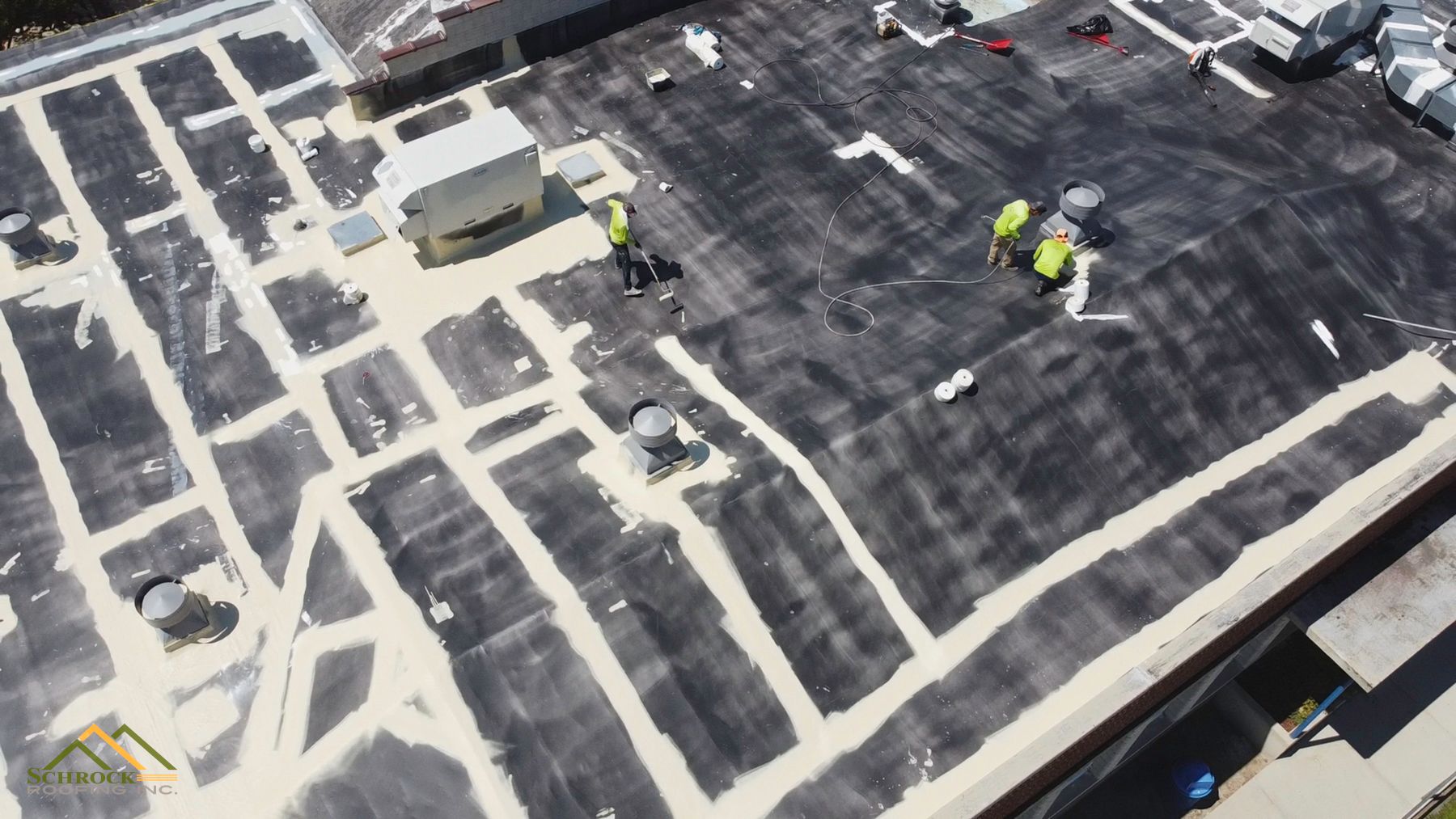
  • Spray polyurethane foam (SPF): Applied as a liquid that expands into a seamless, fully adhered insulation and waterproofing layer, SPF is a strong retrofit choice for roofs with irregular surfaces or complex penetrations. It delivers high R-values and eliminates seams where moisture can infiltrate.

Schrock Roofing evaluates your existing roof assembly before recommending a retrofit path, ensuring you invest in the approach that delivers the most performance per dollar spent.

Long-Term Performance Impact

Insulation is not a component you revisit frequently. The choices made during installation define your roof system’s thermal performance for the next 20 to 30 years, so getting them right at the outset has a compounding effect on energy costs, maintenance frequency, and membrane longevity.

Annual roof inspections should include an assessment of insulation performance, particularly after severe winters. Wet or compressed insulation loses R-value and must be replaced to maintain the thermal envelope. Catching these issues early during a routine inspection is far less expensive than addressing the downstream effects of thermal failure.

Commercial Flat Roofing Experts

For Montana commercial property owners planning a flat roof project, insulation deserves the same careful attention as membrane selection and drainage design. Contact Schrock Roofing today at 406-961-2990 for a comprehensive roof assessment and a detailed estimate that accounts for your building’s insulation needs from the ground up.

FAQ

What is the best insulation for flat roofs in cold climates like Montana?
Polyisocyanurate is the most widely specified product for its high R-value per inch, but EPS is a strong alternative in very cold conditions because its thermal performance remains stable at low temperatures. The best choice depends on your specific roof assembly, climate zone, and budget. Schrock Roofing can help you evaluate the right product for your building.

How do I know if my existing flat roof insulation needs to be replaced?
Signs that insulation may be failing include rising heating and cooling costs, soft or spongy areas on the roof surface, visible membrane blistering or delamination, and moisture detected during an infrared scan. Schrock Roofing offers professional roof assessments that include insulation evaluation, giving you a clear picture of what needs attention before investing in a new membrane.