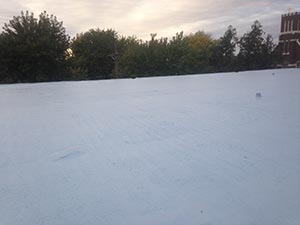
Commercial roof lifespan is one of the most important considerations for building owners across Montana. From harsh winters and heavy snow loads to intense UV exposure at elevation, roofing systems here face unique challenges that can significantly impact longevity. Nonetheless, one of the most important questions to ask is about commercial roof lifespan.
At Schrock Roofing, we help Montana property owners evaluate roof condition, extend lifespan through maintenance, and plan smart replacements when the time comes. Call 406-961-2990 today and schedule your consultation.
Commercial Roof Lifespan in Montana
Understanding how long different systems last and what influences their performance helps you plan proactively, avoid costly surprises, and maximize your investment.
Average Lifespan by Roofing System
Different commercial roofing systems offer varying life expectancies depending on materials, installation quality, and environmental exposure.
TPO and PVC single-ply membranes typically last 20 to 30 years when properly installed and maintained. These systems are popular for their energy efficiency and reflective properties, which help reduce cooling costs during Montana’s warmer months.
EPDM rubber roofing systems generally last 25 to 35 years. Known for flexibility and durability, EPDM performs well in colder climates, making it a strong option for Montana buildings.
Spray Polyurethane Foam (SPF) roofing can last 20 to 30+ years, with periodic recoating every 10 to 15 years extending its life significantly. Its seamless application also helps reduce leak risks.
Metal roofing systems often deliver the longest lifespan, ranging from 40 to 60+ years. Their durability and resistance to extreme weather make them ideal for long-term performance.
Built-Up Roofing (BUR) and Modified Bitumen systems typically last 20 to 30 years, depending on maintenance and exposure conditions.

How Montana Weather Affects Longevity
Montana’s climate plays a major role in how long a commercial roof lasts. One of the biggest factors is snow load. Heavy accumulation adds weight and stress, especially on flat and low-slope roofs. Poor drainage can lead to ponding water and accelerated deterioration.
Freeze-thaw cycles are another major concern. Water can infiltrate small cracks, freeze, expand, and worsen damage over time. This cycle can shorten the lifespan of membranes and coatings if not properly managed.
High UV exposure, particularly at higher elevations, contributes to material breakdown. Over time, UV rays can cause cracking, brittleness, and loss of flexibility in roofing systems.
Wind and storm activity also impact durability. Strong winds can lift seams, loosen flashing, and expose vulnerable areas. Hail can cause punctures or surface damage, especially on older or poorly maintained roofs.
Maintenance Impact on Roof Life
Routine maintenance is one of the most effective ways to extend the life of a commercial roof in Montana. A well-maintained roof can often exceed its expected lifespan, while neglected systems may fail prematurely.
Regular inspections, ideally twice per year and after major storms, help identify small issues before they become costly problems. Addressing minor leaks, seam separations, or flashing damage early can prevent widespread deterioration.
Keeping drains and gutters clear is critical in preventing water buildup and ice formation. Proper drainage reduces stress on the roofing system and minimizes freeze-thaw damage.
Protective coatings, especially for systems like SPF or metal, can significantly extend lifespan by adding a new layer of defense against UV and moisture.
Signs a Roof Is Near End of Life
Recognizing when a commercial roof is nearing the end of its lifespan can help you avoid emergency replacements and business disruptions.
Frequent leaks or recurring repairs are a major red flag. If issues continue despite multiple fixes, the system may be too compromised for patchwork solutions.
Visible membrane damage, such as cracking, blistering, or shrinking, indicates material breakdown. For metal roofs, corrosion or loose panels can signal structural concerns.
Increased energy costs may also point to declining roof performance, especially if insulation has been compromised.
Interior signs, such as water stains, mold growth, or ceiling damage, often indicate more advanced roofing issues that require immediate attention.
Planning for Replacement
Proactive planning is key to managing commercial roof replacement in Montana. Waiting until failure occurs can lead to higher costs, emergency downtime, and potential interior damage.
Start with a professional inspection to assess current condition and remaining lifespan. This allows you to budget and plan replacement on your terms rather than reacting to a crisis.
Consider system upgrades that improve energy efficiency and durability. Modern roofing options can reduce long-term operating costs while providing better protection against Montana’s climate.
Timing also matters. Scheduling replacement during favorable weather conditions helps ensure proper installation and minimizes project delays.
Extending Commercial Roof Lifespan
Working with Schrock Roofing ensures you receive accurate recommendations, quality installation, and long-term value from your investment. Call 406-961-2990 and speak with an expert today.
FAQ
How often should a commercial roof be inspected in Montana?
At least twice per year, typically in spring and fall, along with additional inspections after major storms or heavy snow events.
Can a commercial roof last longer than its expected lifespan?
Yes. With consistent maintenance, timely repairs, and protective coating, many roofing systems can exceed their standard lifespan.
Is repair or replacement the better option?
It depends on the roof’s condition. If damage is localized, repairs may be sufficient. However, widespread deterioration often makes replacement more cost-effective long term.