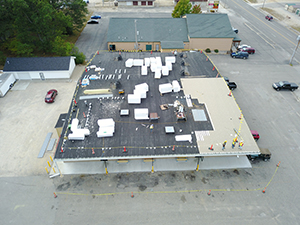
Understanding what drives commercial roofing costs in Montana is essential for building owners who want to plan accurately and avoid surprises. Pricing can vary widely depending on several key factors, from labor availability to weather conditions unique to the region. Whether you’re budgeting for a repair, restoration, or full replacement, knowing these variables helps you make smarter, more cost-effective decisions.
At Schrock Roofing, property owners are guided through these cost drivers to ensure clarity before any project begins. Call 406-961-2990 today and schedule a consultation with an expert.
Commercial Roofing Cost Factors for Montana
Montana’s diverse geography also plays a role. Buildings in more remote areas may face higher mobilization costs, while properties in growing cities may see increased competition for labor. These regional differences make it even more important to evaluate each project individually.
Labor Costs
Labor is one of the most significant components of commercial roofing costs in Montana. Skilled roofing crews are essential for proper installation, especially with low-slope and specialty systems common in commercial applications.
Several factors influence labor pricing:
- Workforce availability in rural areas
- Project complexity requiring experienced crews
- Time required for large or phased projects

Montana’s shorter construction season can also compress timelines, increasing demand and labor rates during peak months. In some cases, contractors may need to bring in crews from outside the immediate area, which can further impact pricing. Investing in experienced crews often reduces long-term repair costs and helps ensure the roof performs as expected.
Material Selection
The roofing system you choose plays a major role in total cost. Each material offers different benefits, lifespans, and pricing structures.
Common options include:
- TPO and PVC membranes for energy efficiency
- EPDM for affordability and flexibility
- Metal roofing for long-term durability
- Spray foam for insulation and seamless protection
Material thickness, insulation needs, and warranty coverage all impact pricing. For example, adding insulation to improve energy efficiency can increase upfront costs but lower heating expenses over time. In Montana, systems that handle temperature swings, snow loads, and UV exposure often provide better long-term value, even if the initial investment is higher.
Roof Size & Complexity
Roof size directly affects cost, but complexity often has an even greater impact on pricing.
Important factors include:
- Total square footage
- Multiple roof sections or elevations
- Penetrations like HVAC units and vents
- Drainage design and slope requirements
Larger roofs may benefit from economies of scale, but complex layouts can quickly offset those savings. Roofs with multiple penetrations or poor drainage design require more detailed workmanship. Addressing these complexities early in the planning phase can help control costs and prevent future issues.
Access & Safety Requirements
Roof accessibility can significantly influence project cost. Difficult access often increases labor time and equipment needs.
Key considerations include:
- Limited access for materials and equipment
- Building height requiring additional safety measures
- OSHA compliance and fall protection systems
- Working around occupied buildings
Projects on busy commercial properties may require additional coordination to avoid disrupting operations. This can extend timelines and increase labor costs. Safety requirements are essential and contribute to both cost and project timelines, but they help protect workers, tenants, and the property itself.
Weather & Seasonal Timing
Montana’s climate plays a major role in commercial roofing costs. Seasonal limitations and weather conditions can impact both pricing and scheduling.
Factors to consider:
- Short installation window during warmer months
- Material requirements based on temperature
- Weather delays from snow, wind, or moisture
- Emergency repairs during winter
Temperature fluctuations can also affect how materials are installed and cured. For example, adhesives and coatings may require specific conditions to perform correctly. Planning ahead can help secure better pricing and scheduling, but flexibility is often necessary due to unpredictable weather patterns.
Planning for Smarter Roofing Investments
Commercial roofing costs in Montana depend on multiple variables, including labor, materials, roof design, accessibility, and seasonal timing. Each project is unique, making a professional evaluation critical before moving forward.
Taking a proactive approach can make a significant difference. Scheduling inspections, comparing material options, and planning projects in advance all help control costs. Building owners who understand these factors are better equipped to make decisions that balance upfront investment with long-term performance.
Understanding these cost drivers helps you budget accurately, choose the right system, and avoid unnecessary expenses. A well-planned roofing project not only protects your property but also delivers long-term value.
Commercial Roofing Professionals
Getting the most from your roofing investment depends on partnering with professionals that care as much as you do. Call Schrock Roofing at 406-961-2990 and let’s work together to maximize your ROI.
FAQ
What is the biggest factor affecting commercial roofing costs in Montana?
Labor and material selection are typically the largest cost drivers, but roof complexity, access, and seasonal timing can also significantly impact final pricing.
When is the best time to schedule a commercial roofing project in Montana?
Late spring through early fall is ideal due to more consistent weather, though early planning can help lock in better pricing and contractor availability.
Do more expensive roofing systems always provide better value?
Not always, but higher-quality systems often last longer and perform better in Montana’s climate, reducing long-term repair and replacement costs.