When planning a roofing project, one of the first questions building owners ask is how much does a
commercial roof cost in
Montana. The answer depends on several factors, including roof size, material type, existing conditions, and the demands of Montana’s climate. From snow loads to temperature swings, roofing systems in this region must be built to perform. Understanding current 2026 pricing helps you make informed decisions, avoid unexpected costs, and choose a solution that delivers long-term value for your property.
Another way to get great long-ter value is by partnering with
Schrock Roofing. Call
406-961-2990 today and schedule a consultation.
Commercial Roof Cost Montana (2026 Pricing)
Understanding commercial roof cost in Montana starts with realistic price ranges. Most building owners can expect costs to fall between
$6.00 and $14.00 per square foot depending on the system, condition of the existing roof, and project complexity. Smaller repairs or coatings may fall on the lower end, while full tear-offs and premium systems trend higher.
For example, a
20,000 sq. ft. commercial roof could range from
$120,000 to $280,000+. That range may seem wide, but it reflects real-world differences in materials, insulation needs, labor intensity, and structural considerations.
In Montana, climate plays a major role in pricing. Roof systems must handle snow load, freeze-thaw cycles, and UV exposure, which often requires more durable materials and proper insulation layers. These added requirements can increase upfront costs but significantly improve long-term performance.
Cost Differences by Commercial Roof Type
Not all commercial roofs are priced equally. The type of system you choose has a major impact on total cost, longevity, and maintenance requirements.
TPO and PVC Roofing:
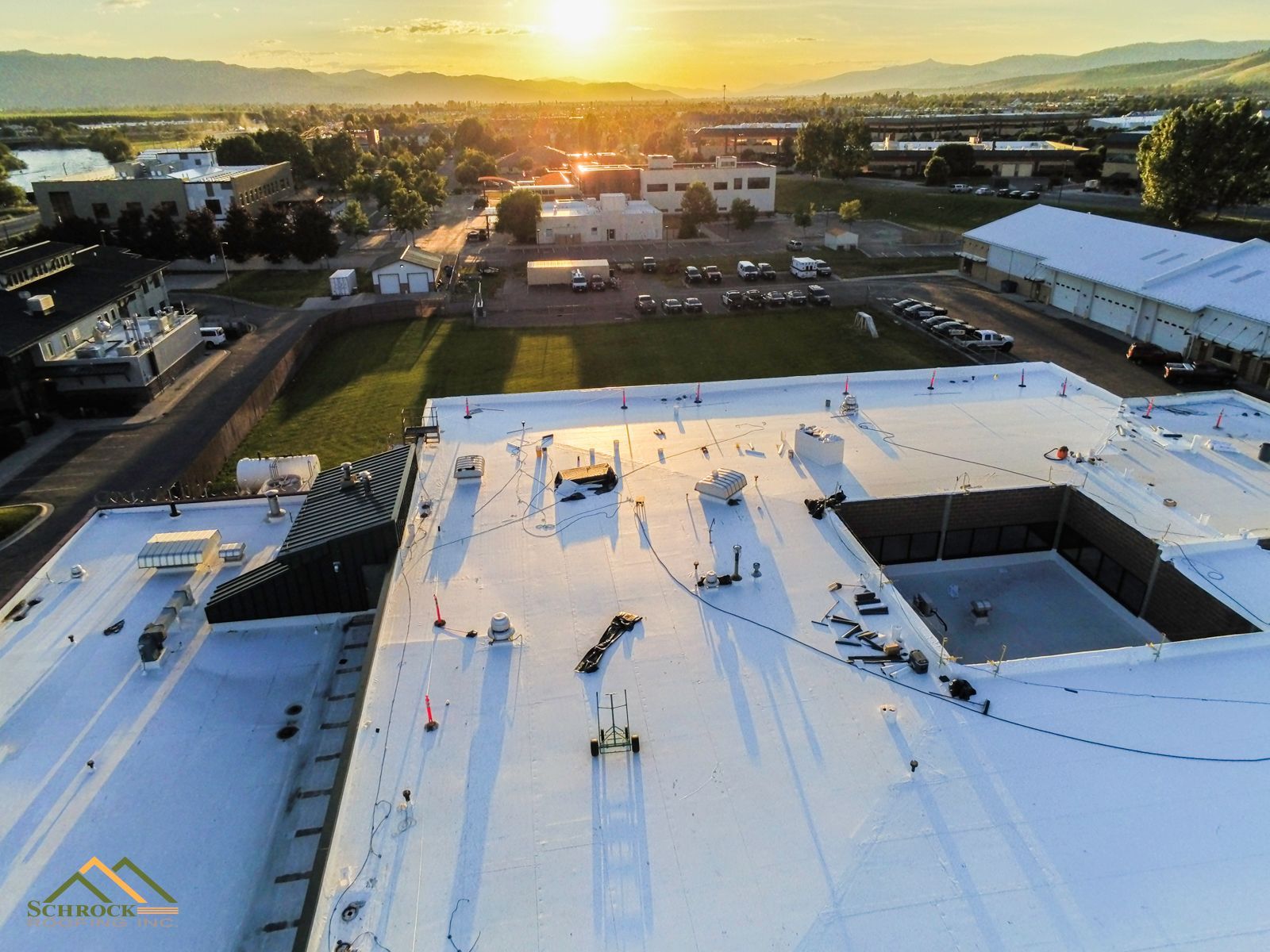
Typically range from $7.00 to $12.00 per square foot. These single-ply systems are popular for their reflectivity and energy efficiency. PVC generally costs more than TPO due to enhanced chemical resistance and durability.
EPDM Roofing:
Often falls between
$6.00 and $10.00 per square foot.
EPDM is a cost-effective option but may absorb more heat, which can impact energy costs over time.
Metal Roofing Systems:
Expect pricing between
$10.00 and $16.00+ per square foot. Metal roofs are highly durable and ideal for Montana weather, but they require a higher initial investment.
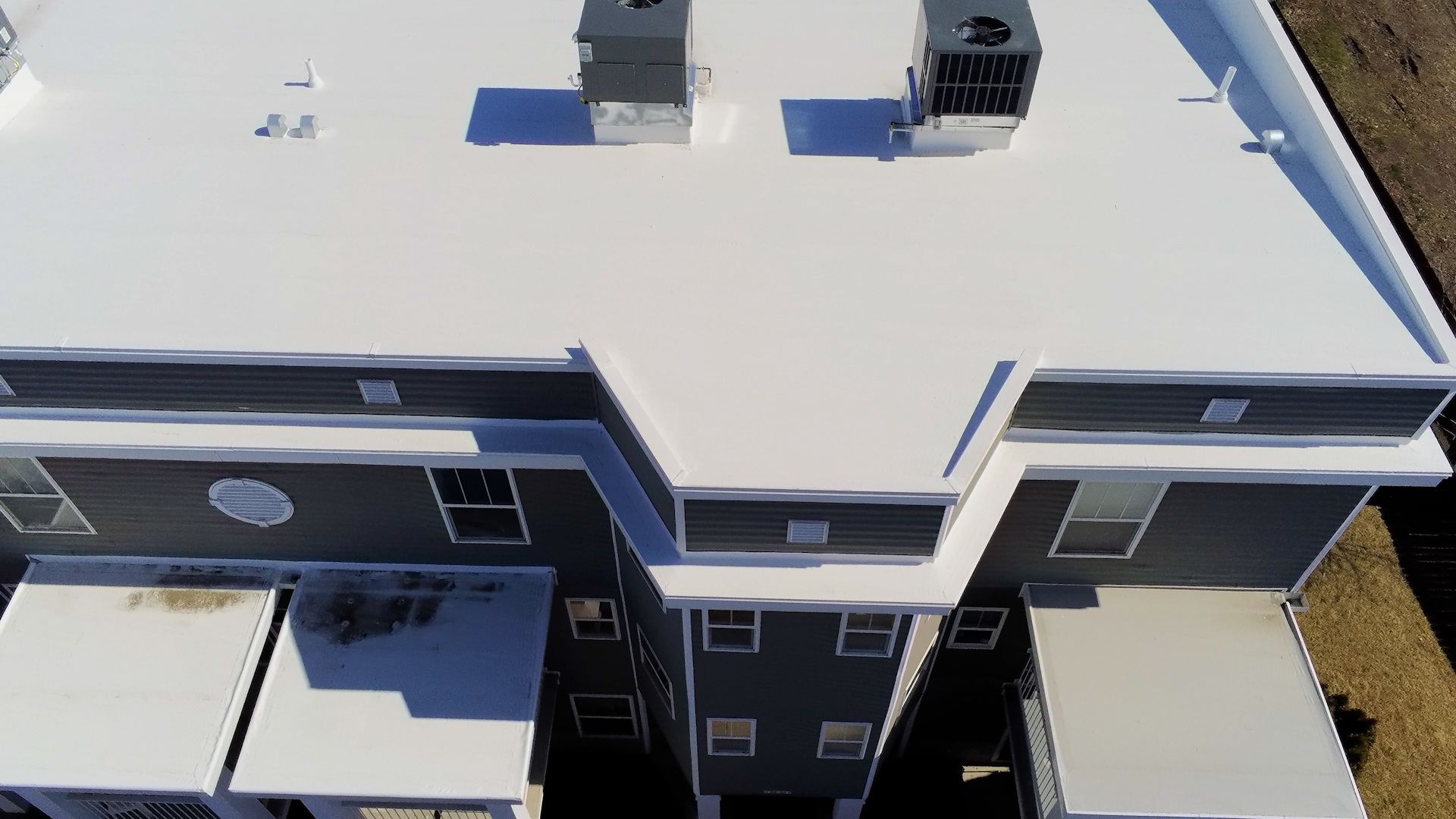
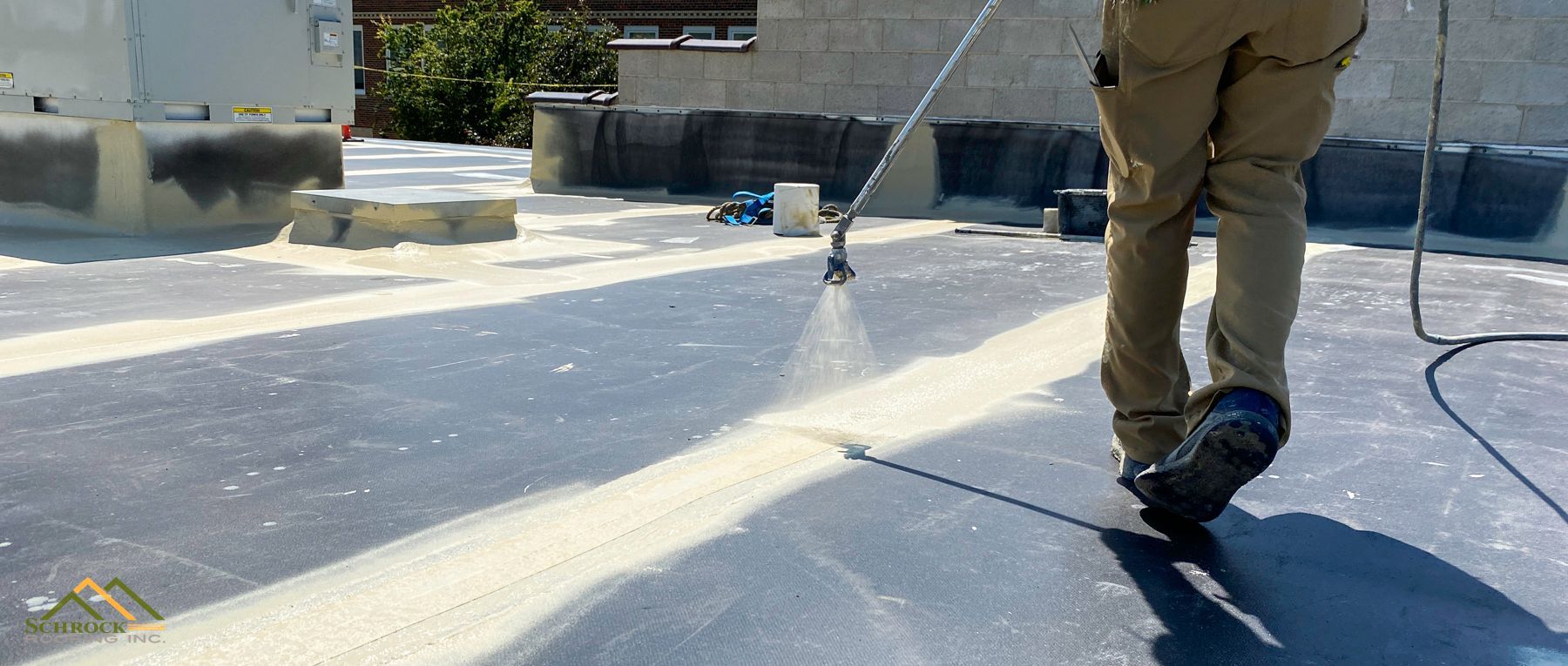
Spray Foam Roofing (SPF):
Ranges from
$7.00 to $13.00 per square foot. Spray foam is a fully adhered system that provides insulation and waterproofing in one application, often delivering long-term energy savings.
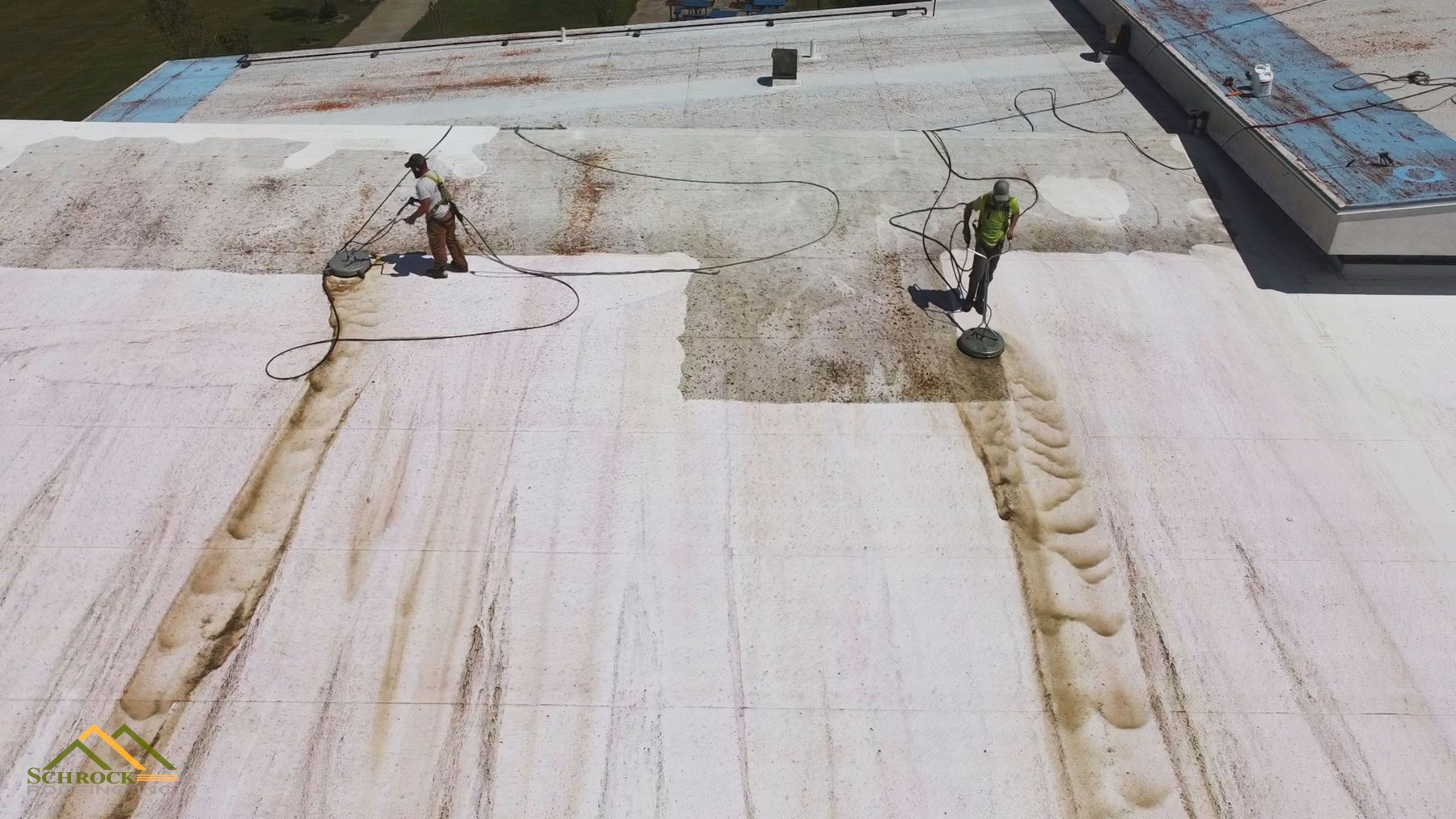
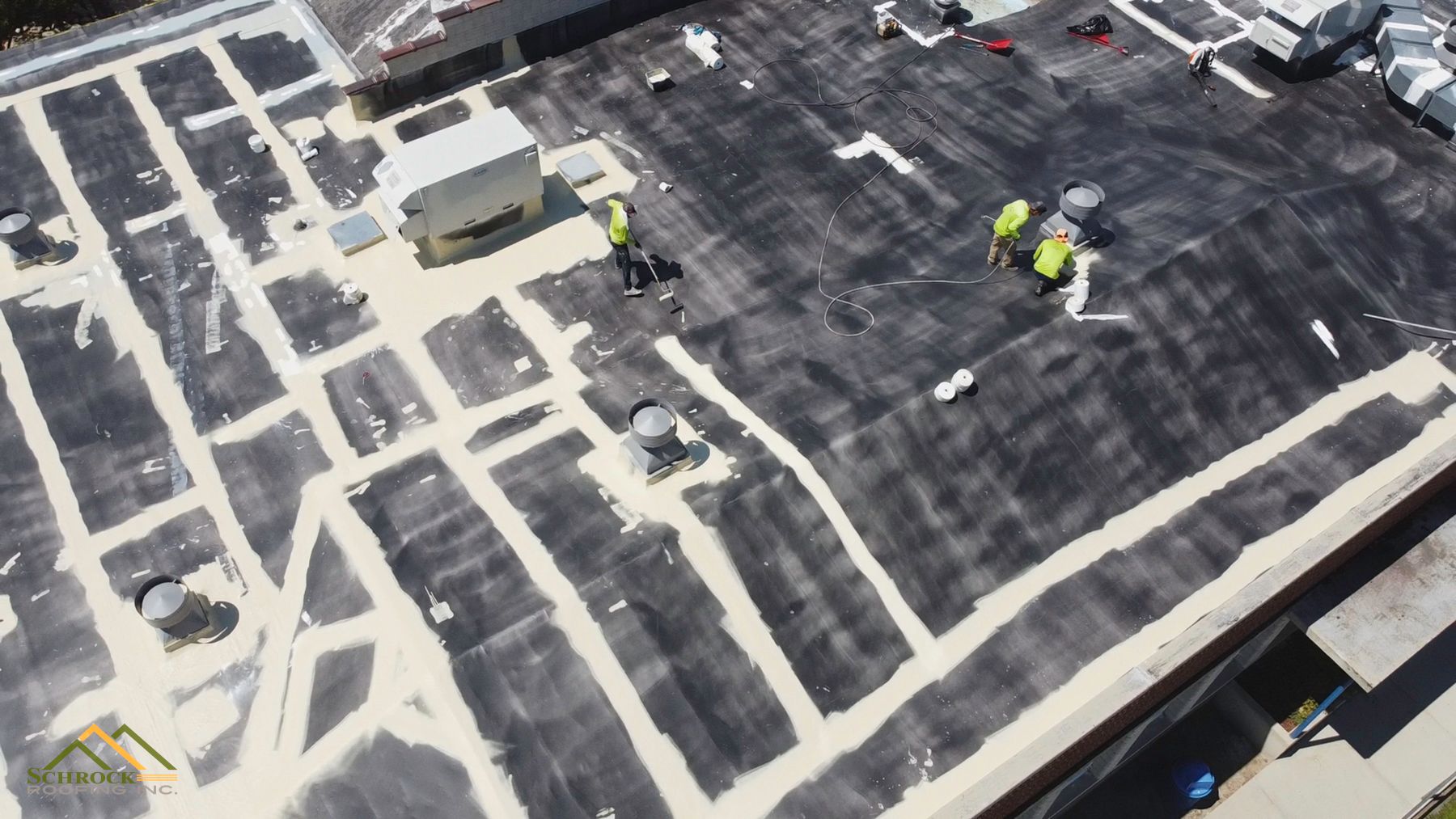
Roof Coatings and Restoration:
Typically cost
$3.00 to $7.00 per square foot. These systems extend the life of an existing roof without a full replacement, making them one of the most cost-effective options when applicable.
Factors That Increase Commercial Roofing Cost
Several variables can push your commercial roof cost higher than expected. Understanding these factors helps avoid surprises during the estimating process.
Tear-Off vs. Overlay:
Removing an existing roof adds labor and disposal costs. Multiple layers increase complexity and expense.
Roof Accessibility:
Difficult access, limited staging areas, or multi-story buildings can increase labor time and equipment needs.
Insulation Requirements:
Upgrading insulation to meet current energy codes or improve efficiency adds material costs but can reduce long-term operating expenses.
Drainage and Ponding Water:
Poor drainage may require tapered insulation systems or structural adjustments to prevent water buildup.
Penetrations and Equipment:
HVAC units, skylights, and vents require additional detailing and flashing, increasing labor time.
Weather Conditions:
Montana’s shorter construction season and unpredictable weather can impact scheduling and labor efficiency.
Budget Planning for Commercial Roof Owners
Planning for a commercial roofing project goes beyond just the initial estimate. Smart budgeting considers both short-term costs and long-term value.
Start by evaluating whether your roof needs a full replacement or if restoration is a viable option. Many roofs can be extended by 10–20 years with coatings or targeted repairs, significantly reducing upfront investment.
Next, factor in energy savings. Reflective systems and insulated assemblies can lower heating and cooling costs, especially in buildings with large roof surfaces. Over time, these savings can offset a portion of the installation cost.
It’s also important to plan for maintenance.
Routine inspections and minor repairs help prevent costly failures and extend the life of your roof system.
Finally, consider financing or phased project options. Some building owners choose to address sections of the roof over time to better manage cash flow.
Local Pricing Matters
Commercial roof cost in Montana is not the same as in other regions. Local labor rates, material availability, and climate-specific requirements all influence pricing.
Commercial Roofing Experts
Working with Schrock Roofing ensures your estimate reflects real conditions, not generic national averages. Local expertise means understanding snow loads, proper drainage design, and the best materials for long-term performance in the region.
Additionally, local contractors are more familiar with regional building codes and can recommend systems that meet both compliance and durability standards.
Choosing a contractor who understands Montana’s unique challenges helps ensure your investment delivers lasting value, not just a lower upfront price.
If you want to learn more about commercial roofing costs and getting the most from your investment, call
Schrock Roofing today at
406-961-2990 and speak with a local expert.
FAQ
How much does a commercial roof cost per square foot in Montana?
Most commercial roofs range from $6.00 to $14.00 per square foot, depending on materials, labor, and project complexity.
What is the cheapest commercial roofing option?
Roof coatings and EPDM systems are typically the most cost-effective options, especially when the existing roof is still structurally sound.
How long does a commercial roof last in Montana?
Lifespans vary by system, but most commercial roofs last 20–40 years with proper installation and maintenance.