Flat roofs are common on commercial buildings across
Montana because they are efficient for large structures and work well with modern roofing materials. However, one of the most common questions building owners ask is about
flat roof cost per square foot. Understanding the factors that influence pricing can help you plan budgets, evaluate contractor proposals, and choose the right roofing system for Montana’s climate.
Call
Schrock Roofing at 406-961-2990 today to schedule a consultation and discuss your flat roof project.
Flat Roof Cost Per Square Foot in Montana (2026 Pricing)
In this guide, we’ll break down typical flat roof costs, what affects pricing, and how to get an accurate estimate for your building.
Average Cost Per Square Foot by System
The average flat roof cost per square foot in Montana depends heavily on the roofing system installed. Material quality, insulation, labor complexity, and building conditions all influence the final price.
Typical 2026 commercial pricing ranges include:
TPO Roofing
$6.50 – $11.50 per square foot installed
TPO (thermoplastic polyolefin) is one of the most common commercial roofing systems because of its durability, heat-reflective surface, and relatively affordable installation cost.
EPDM Rubber Roofing
$6.00 – $10.50 per square foot installed
EPDM is known for flexibility and long-term performance in colder climates, which makes it popular for Montana buildings exposed to temperature swings.
PVC Roofing
$8.00 – $13.00 per square foot installed
PVC systems offer excellent chemical resistance and long-term durability, often used for restaurants, manufacturing facilities, or buildings exposed to oils and grease.
Modified Bitumen Roofing
$7.00 – $12.00 per square foot installed
Modified bitumen systems are multi-layer asphalt-based roofs known for durability and puncture resistance.
These ranges represent typical installation costs for commercial buildings, but the actual price can vary depending on building size, roof condition, insulation requirements, and accessibility.
How Flat Roof Size Impacts Total Cost
One important factor affecting flat roof cost per square foot is the size of the building.
Larger roofs often benefit from economies of scale, which can reduce the per-square-foot installation cost. For example:
- A 10,000 sq ft building may have higher per-square-foot labor costs
- A 50,000 sq ft building typically spreads mobilization and equipment costs over a larger area
However, large buildings may also introduce complexity such as:
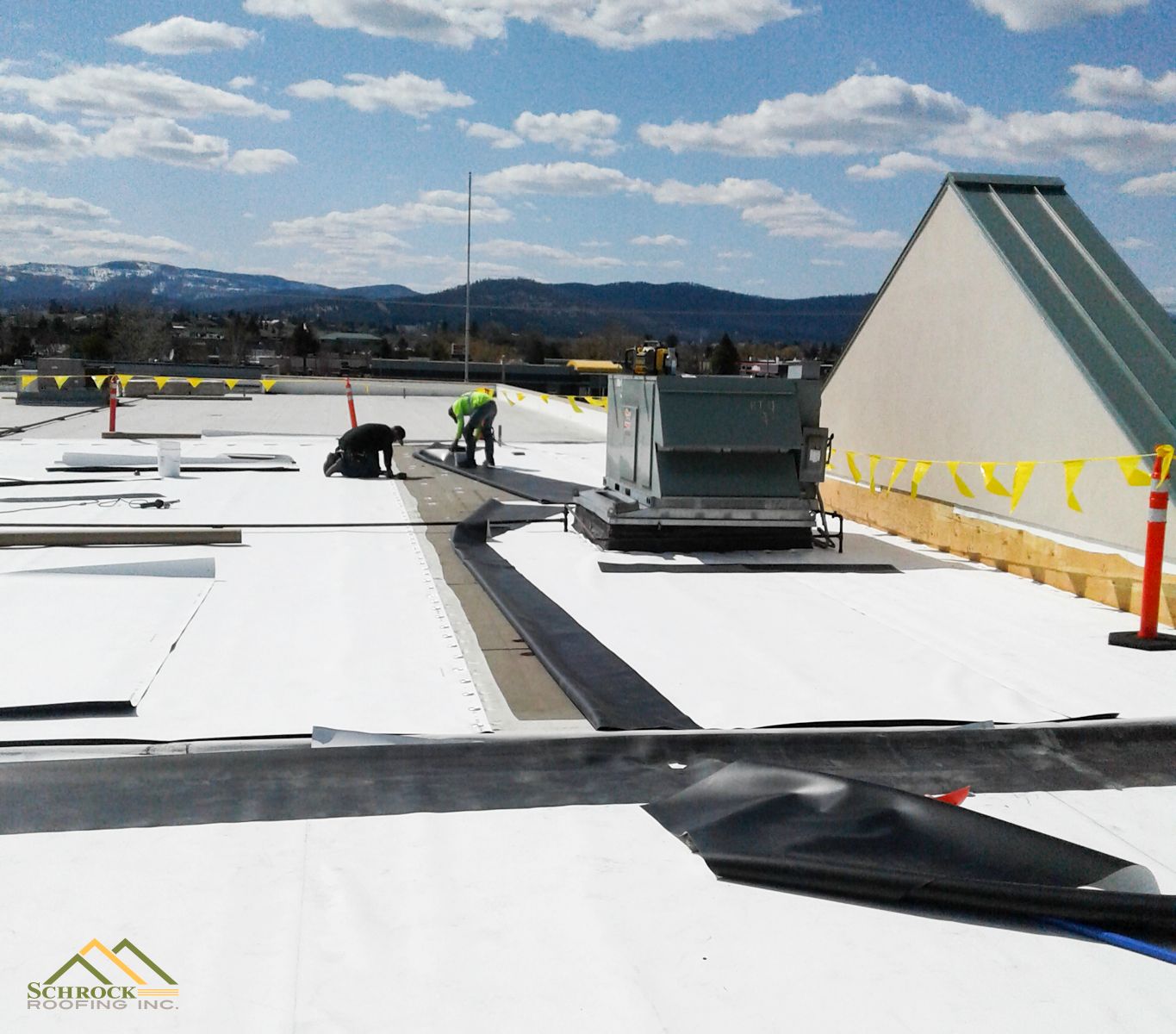
- Multiple rooftop units (HVAC systems)
- Parapet walls
- Drainage systems
- Skylights and roof penetrations
Each of these elements requires flashing and detail work, which adds labor time and materials.
Because of this, two buildings with identical square footage may have noticeably different pricing depending on roof layout and equipment.
Insulation & Energy Code Cost Factors
Montana’s climate plays a major role in commercial roofing costs because insulation requirements significantly affect project pricing.
Energy codes typically require specific R-value insulation levels to help reduce heat loss and improve building efficiency. For many Montana commercial buildings, this often means:
- Polyiso insulation boards
- Multiple insulation layers
- Tapered insulation systems for drainage
Insulation alone can account for
$2 – $5 per square foot of total roofing cost.
Proper insulation is critical because it helps:
- Reduce heating costs during long Montana winters
- Prevent condensation within the roof assembly
- Improve overall energy efficiency
While insulation increases upfront costs, it often pays for itself over time through lower energy expenses.
Hidden Costs Building Owners Miss
When budgeting for a flat roof replacement, building owners often focus only on the primary roofing system. However, several hidden costs can affect the final project total.
Commonly overlooked costs include:
Tear-Off and Disposal
Removing existing roofing materials can add significant labor and disposal fees, especially if multiple layers are present.
Roof Deck Repairs
If moisture has damaged the roof deck beneath the existing roof, sections may need replacement before the new system is installed.
Drainage Improvements
Poor drainage can cause ponding water. Tapered insulation or additional drains may be required to correct the issue.
Flashing and Penetrations
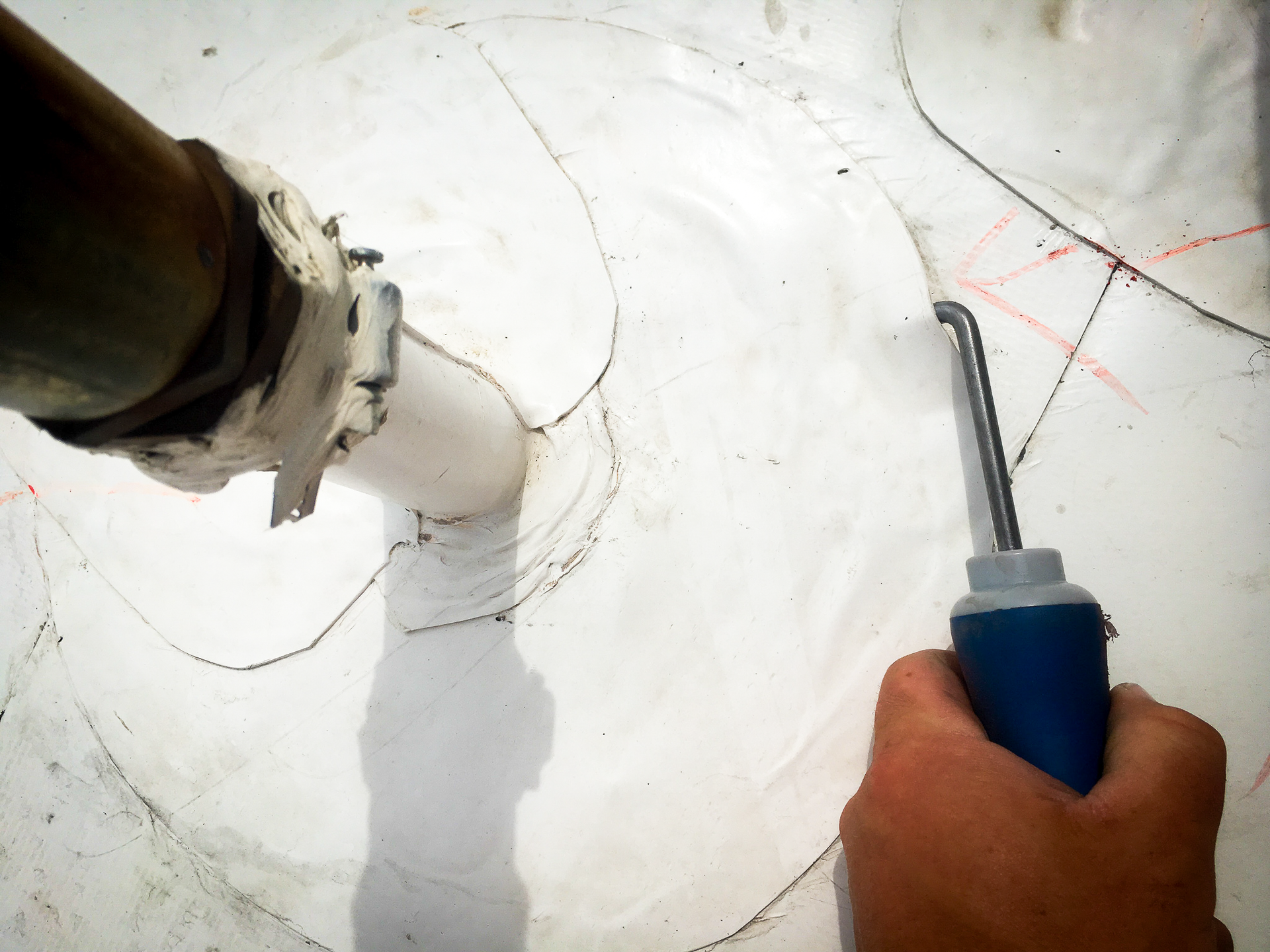
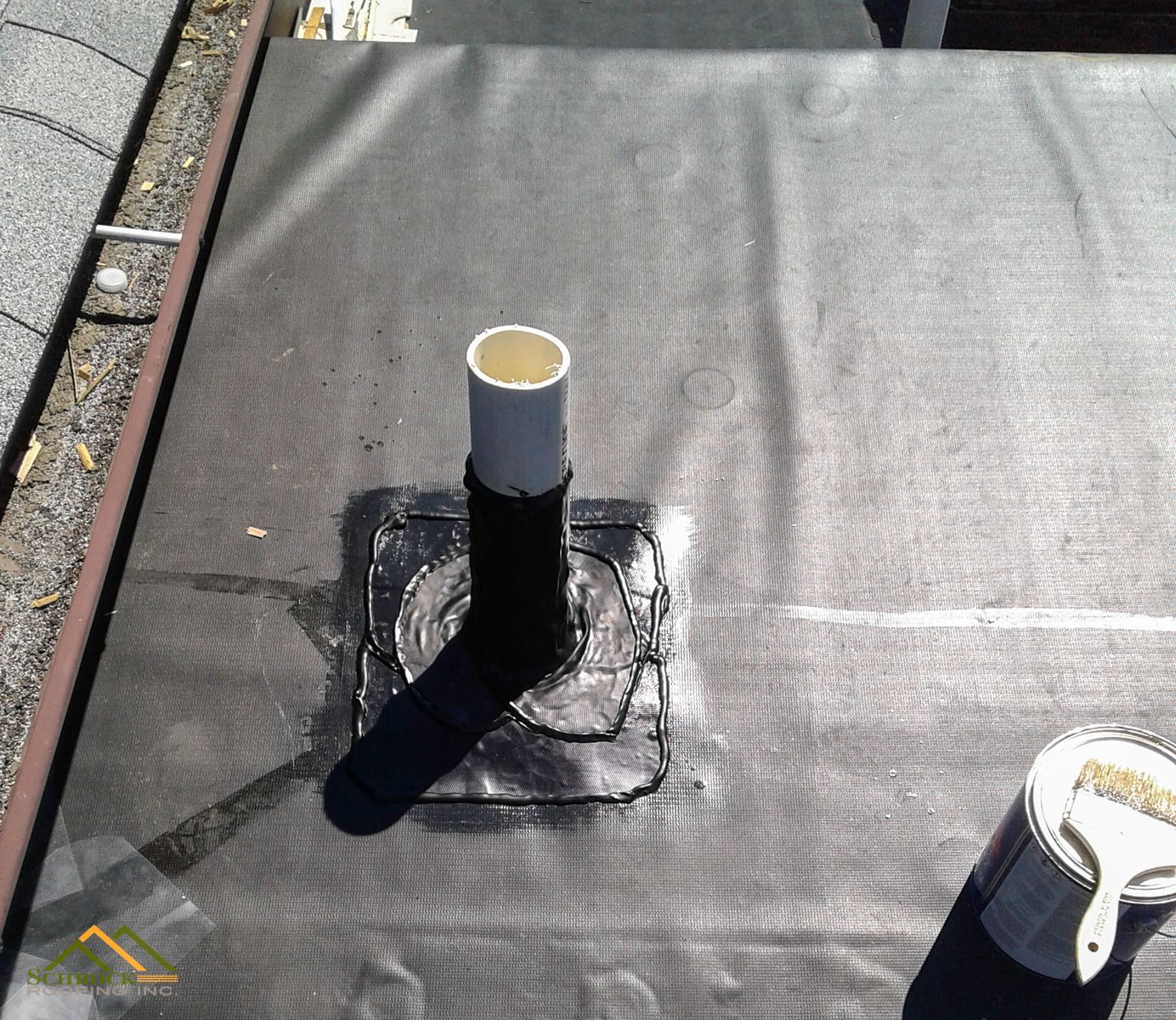
HVAC units, skylights, and vent pipes require specialized flashing details to prevent leaks.
Permits and Inspections
Local permitting requirements can add administrative costs and inspection scheduling.
An experienced commercial roofing contractor will identify these factors during the inspection phase, so the estimate reflects the full project scope.
Getting an Accurate Commercial Estimate
The best way to determine the true flat roof cost per square foot in Montana is through a professional inspection and detailed estimate.
A qualified commercial roofing contractor should evaluate:
- Existing roof condition
- Insulation levels
- Drainage performance
- Roof penetrations and equipment
- Structural considerations
- Energy code requirements
Accurate measurements and system recommendations allow building owners to compare options and select a roofing system that balances performance, longevity, and budget.
Accurate Flat Roof Cost Information
At Schrock Roofing, we help Montana building owners understand their roofing options and provide clear estimates for repair, restoration, or
replacement projects. Whether you manage a warehouse, retail facility, agricultural building, or industrial property, our team can evaluate your roof and recommend the best solution for long-term protection.
If you’re planning a commercial roofing project, working with
Schrock Roofing ensures your building receives a roofing system designed to perform in the region’s demanding climate. Call
406-961-2990 today.
FAQ
How long do commercial flat roofs last in Montana?
Most commercial flat roofs last between 20 and 30 years depending on the system installed, maintenance practices, and exposure to weather conditions.
Is roof coating cheaper than full replacement?
Yes. Roof coatings can often extend roof life at a lower cost than replacement, but they are only viable if the existing roof structure is still in good condition.
Does snow affect flat roof pricing in Montana?
Yes. Roof systems may require stronger insulation assemblies and proper drainage planning to manage snow loads and freeze-thaw cycles.