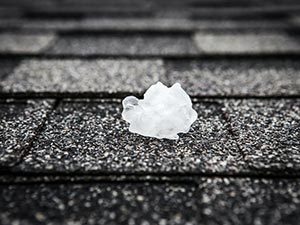
Missoula experiences powerful hailstorms, heavy rain, and seasonal freeze-thaw cycles that can leave roofs vulnerable to hidden damage. Even when a roof appears intact from the ground, hail impacts can weaken roofing materials and create openings for future water intrusion. Taking prompt action after a storm helps homeowners identify damage before it turns into larger structural issues. Hail damage roof inspections give homeowners a way to uncover hidden storm damage before leaks and long-term deterioration begin.
Schrock Roofing offers hail damage roof inspection services in Missoula, MT. Call (406) 961-2990 to schedule an inspection after a storm and identify damage before it leads to more serious roofing problems.
A professional hail damage roof inspection can help document storm-related issues, support repair decisions, and protect the long-term condition of the roofing system.
Recognizing Hail Damage Roof Warning Signs

Hail affects roofing materials in different ways depending on the roof system. Asphalt shingles often develop bruised areas where the protective granules have been knocked away. These bruises may feel soft when inspected closely because the fiberglass or asphalt mat beneath the surface has been fractured by impact. Granule loss also exposes shingles to faster weathering and ultraviolet light, reducing their expected lifespan.
Metal roofing generally responds differently. Instead of losing surface material, hail can leave visible dents across panels, flashing, gutters, vents, and roof accessories. While small cosmetic dents may not immediately affect performance, larger impacts can damage seams or protective finishes. Dented vents and gutters are often strong indicators that the roof itself experienced significant hail impacts.
Some forms of storm damage on residential roofs are difficult to spot from the ground. Lifted shingles, small flashing cracks, loosened sealant around vents and chimneys, or minor damage along roof valleys may not be visible from the yard. Because storm damage often affects areas that are not easy to see, a professional roof inspection can provide a much clearer picture of the roof’s condition.
Why Immediate Hail Damage Assessment Matters
After a hailstorm, delaying an inspection gives moisture additional opportunities to enter weakened roofing materials. Even small impact points can allow rainwater to penetrate beneath shingles or around flashing during the next storm. In Missoula’s climate, repeated freeze-thaw cycles can expand trapped moisture, gradually widening cracks and separating roofing components.
A roof that survives one storm may become increasingly vulnerable during the following weeks if hidden damage is ignored. Water entering through damaged areas can affect roof decking, insulation, ceilings, and interior finishes. What begins as isolated impact damage may eventually require far more extensive repairs if moisture continues moving through the roofing system.
Prompt inspections also help establish a clear connection between the storm event and any documented roof damage. Recording conditions while evidence is fresh makes future repair decisions easier and provides valuable documentation if insurance involvement becomes necessary.
What to Document Before Scheduling an Inspection
Homeowners can take several practical steps immediately after a hailstorm without climbing onto the roof. Photographs of the property, visible roof surfaces, gutters, siding, outdoor equipment, and landscaping provide useful documentation of the storm’s effects. Recording the approximate storm date and time also creates an accurate timeline for future reference.
Granules collecting in downspouts or gutters, broken tree branches, damaged fences, cracked skylights, or dented metal fixtures around the home often indicate hail intensity. These surrounding signs help inspectors evaluate the overall impact on the roofing system.
Schrock Roofing assists both residential and commercial property owners with hail damage assessments and insurance claims by helping document storm-related roof conditions before repairs begin. A professional inspection includes evaluating shingles or metal panels, flashing, roof penetrations, vents, valleys, gutters, and other vulnerable areas that commonly sustain impact damage.
Hail Damage Roof Inspections Help Protect Long-Term Performance
Not every hailstorm results in complete roof replacement, but every significant storm deserves careful evaluation. Professional inspectors determine whether damage can be repaired effectively or whether widespread impacts have shortened the roof’s remaining service life.
Early identification gives homeowners more repair options while preserving the roof’s ability to continue protecting the home. Addressing damaged flashing, cracked shingles, or compromised roof components before leaks develop supports better long-term performance and reduces the likelihood of hidden structural deterioration.
A properly documented inspection also gives homeowners confidence when discussing repair recommendations or insurance questions. Understanding the actual condition of the roof removes uncertainty and allows informed decisions based on evidence rather than assumptions.
Missoula Hail Damage Roof Experts
Hail damage is not always easy to spot, but delaying an inspection can allow minor storm impacts to turn into larger roofing problems. Professional evaluations help uncover hidden damage before water intrusion, freeze-thaw movement, and ongoing weather exposure shorten the life of the roof.
Schrock Roofing offers hail damage roof repair services in Missoula, MT. Call (406) 961-2990 today to schedule an inspection and address storm-related roof damage before it worsens.
Prompt attention to hail damage can help prevent leaks, protect roofing materials from further deterioration, and support the long-term performance of the roofing system.
FAQ
How do I know if my roof was damaged by hail?
Homeowners may notice granules collecting in gutters, dents on metal vents or gutters, cracked shingles, or dark bruised spots after a storm. Some impact damage cannot be seen from the ground, making a professional roof inspection the most reliable way to confirm whether hail affected the roofing system.
How long do I have to file an insurance claim for hail damage?
Many homeowner insurance policies allow one to two years to file a hail damage claim, although coverage periods vary by policy. Documenting the damage immediately with photographs and a professional inspection helps strengthen the claim and makes it easier to distinguish storm damage from normal aging.
Will my insurance cover full roof replacement after hail damage?
Coverage depends on the type of insurance policy and the extent of the storm damage. Some policies reimburse replacement costs, while others account for depreciation. A professional inspection helps determine whether repairs are sufficient or whether the damage supports full roof replacement.