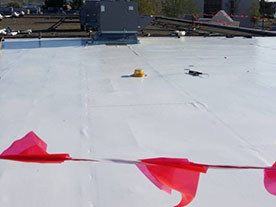
 Climate patterns across the United States are changing, and commercial property owners are increasingly rethinking how roofing systems perform under extreme conditions. Single-ply roofing has emerged as one of the most practical solutions for modern commercial buildings seeking durability, efficiency, and adaptability. In Pocatello, ID, where temperature swings, snow loads, UV exposure, and seasonal storms can all impact roof performance, building owners are turning to advanced roofing systems that respond well to evolving environmental challenges. Commercial property owners in Pocatello, ID can contact Schrock Roofing at 406-961-2990 to learn how single-ply roofing supports long-term building protection and operational stability.
Single-ply membranes, including TPO, PVC, and EPDM, are engineered roofing solutions designed to deliver high performance while reducing energy consumption. Their growing popularity is closely tied to climate-driven demands placed on commercial infrastructure.
How Climate Change Is Driving Demand for Single-Ply Roofing
 As weather becomes less predictable, roofing systems must handle a broader range of environmental stresses. Traditional roofing materials may struggle with rapid temperature changes, prolonged sun exposure, or intense precipitation events.
Resistance to Temperature Extremes
Commercial roofs in regions like Pocatello experience hot summers and cold winters. Expansion and contraction caused by these temperature shifts often lead to cracking or material fatigue in older roofing systems.
Single-ply roofing offers flexibility that allows membranes to expand and contract without losing integrity. This adaptability helps reduce leaks and structural stress, making it a reliable option for facilities exposed to fluctuating climates.
Improved Energy Performance
Climate change has increased cooling demands for many commercial buildings. Reflective single-ply membranes, especially TPO and PVC, help deflect solar radiation rather than absorbing it.
Benefits for commercial owners include:
- Lower cooling costs during summer months
- Reduced strain on HVAC systems
- More consistent indoor temperatures
- Enhanced energy efficiency ratings
By lowering energy usage, single-ply roofing supports both sustainability goals and operational savings.
Environmental Benefits Driving Commercial Adoption
Modern businesses are under growing pressure to improve environmental performance. Roofing systems now play a key role in sustainability planning.
Reduced Material Waste
Single-ply roofing systems are lightweight and often installed over existing roofing assemblies when conditions allow. This reduces demolition waste and minimizes landfill contributions.
Additionally, many membranes are recyclable at the end of their service life, aligning with environmentally responsible building practices.
Compatibility With Green Building Technologies
Commercial owners increasingly integrate rooftop technologies such as solar panels and energy-efficient equipment. Single-ply roofing provides a smooth, stable surface ideal for these installations.
Because membranes maintain waterproof protection while accommodating rooftop systems, they help businesses transition toward cleaner energy solutions without compromising roof integrity.
Longer Service Life Through Maintenance
Climate-related stress can shorten roof lifespan if systems are not properly designed. Single-ply roofing simplifies maintenance and repairs, allowing facility managers to address issues quickly before major damage develops.
This repair-friendly design extends roof longevity, conserving resources and reducing long-term capital expenses.
Performance Advantages for Commercial Facilities
Beyond sustainability, single-ply roofing delivers practical operational benefits that appeal to facility managers and property investors.
Faster Installation and Minimal Disruption
Commercial buildings often cannot afford extended downtime. Single-ply systems install efficiently compared to multi-layer roofing assemblies, reducing interruptions to tenants, employees, and customers.
Superior Waterproofing Protection
Modern single-ply membranes rely on heat-welded seams or chemically bonded joints that create watertight barriers. These seams are frequently stronger than the membrane itself, providing dependable protection against heavy rainfall and snowmelt.
Cost Predictability for Long-Term Planning
Commercial owners value roofing systems that support financial forecasting. Because single-ply roofing is easier to maintain and repair, budgeting for long-term maintenance becomes more predictable.
Instead of facing sudden replacement costs due to climate-related damage, businesses can extend roof life through preventative care.
Preparing Commercial Properties for Future Climate Challenges
Climate resilience has become a central concern for commercial building owners. Roofing decisions made today must account for future environmental conditions, not just current performance needs.
Choosing single-ply roofing allows facilities to:
- Adapt to increasing temperature variability
- Improve energy efficiency compliance
- Reduce environmental impact
- Maintain reliable weather protection
Working with experienced commercial roofing professionals ensures proper material selection, installation quality, and ongoing maintenance planning.
Single-Ply Roofing Experts
As environmental conditions continue to evolve, single-ply roofing provides commercial buildings with a forward-thinking solution that balances durability, efficiency, and sustainability. For commercial property owners in Pocatello, ID, investing in resilient roofing systems helps safeguard operations while supporting energy-conscious building management. To learn more about installing or upgrading single-ply roofing, contact Schrock Roofing at 406-961-2990 for expert guidance tailored to commercial properties in Pocatello, ID.
FAQ
What types of buildings benefit most from single-ply roofing?
Warehouses, retail centers, office buildings, and industrial facilities commonly benefit due to energy efficiency and low maintenance needs.
How long does a single-ply roofing system typically last?
With proper installation and maintenance, many systems last 20–30 years or longer depending on environmental conditions.
Is single-ply roofing suitable for harsh weather climates?
Yes. Its flexibility and waterproofing capabilities allow it to perform well in areas with temperature swings, snow, and heavy rainfall.
Can single-ply roofing support rooftop equipment or solar panels?
Yes. The smooth membrane surface works well with mounted equipment while maintaining waterproof protection.