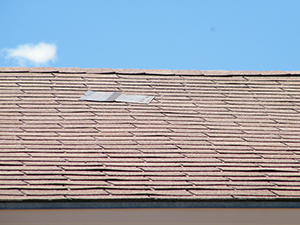
Missoula homeowners deal with roof damage from sudden storms as well as problems that develop quietly through missed maintenance. Snow, freeze/thaw cycles, summer hail, falling branches, and moisture can all affect a roof, but many expensive problems begin with small issues that could have been addressed earlier. Roof damage can affect both residential and commercial properties, and Schrock Roofing provides roof damage repair and maintenance services for customers throughout Missoula.
Call Schrock Roofing at (406) 961-2990 for roof damage repair in Missoula, MT.
Roof Damage From Missoula Weather
Some roof damage happens quickly. Hail can bruise or crack asphalt shingles, strong winds can lift shingles or loosen flashing, and falling branches can puncture roofing materials. Heavy winter snow can also place additional stress on an aging roof, particularly when existing weaknesses have already developed.
Missoula’s freeze/thaw cycles create another source of seasonal stress. Water can enter small cracks around flashing, freeze as temperatures drop, and expand within the affected area. Repeated cycles can gradually loosen materials and create openings that allow moisture into the roof assembly.
How Maintenance Prevents Roof Damage

Other roof damage develops because routine maintenance is delayed. Clogged gutters are one example. When leaves, pine needles, and other debris restrict drainage, water can back up beneath the roof edge and contribute to moisture damage around eaves and fascia.
Flashing should also be checked regularly. Flashing directs water away from vulnerable areas such as roof intersections, chimneys, and wall connections. Cracked or deteriorated flashing can allow water to enter gradually, while repeated freezing and thawing can make the problem worse.
Moss and debris create another maintenance concern. Moss can retain moisture against shingles, while accumulated organic debris can keep sections of the roof damp for extended periods. Removing buildup and addressing the underlying moisture conditions helps prevent gradual deterioration.
Roof Damage From Aging and Neglect
Shingle roofs also change as they age. Granule loss exposes more of the shingle surface to sunlight and weather, which can accelerate deterioration. Cracking, curling, and weakened sealant around penetrations can create additional pathways for water.
These conditions may not produce an obvious leak inside the home right away. Water can travel through roofing layers before reaching a ceiling or wall, meaning the visible interior damage may appear well after the original roofing problem developed. Regular inspections provide an opportunity to identify these warning signs earlier.
A Maintenance Schedule Helps Limit Roof Damage
For many Missoula homes, a practical inspection schedule includes one inspection in spring after winter weather and another in late summer or early fall. Spring inspections can identify problems caused by snow and freeze/thaw conditions, while later inspections can catch storm or hail damage before the next winter season.
Homes with older roofs, heavily wooded lots, or previous storm exposure may benefit from additional inspections. Homeowners can handle basic tasks such as clearing accessible gutters, removing surface debris, and keeping branches away from the roof. Roof surface inspections and repairs are better handled by professionals because damaged areas may be difficult to identify safely.
Managing Roof Damage Before It Spreads
A maintenance program gives homeowners a way to address small roofing problems before they become larger repairs. Catching damaged flashing, drainage restrictions, moss buildup, or deteriorating shingles early can help preserve the roof and reduce the chance that localized damage develops into widespread moisture intrusion.
For roof damage repair in Missoula, MT contact Schrock Roofing at (406) 961-2990 today.
FAQ
What are the most common types of roof damage in Missoula?
Common problems include hail impact, wind damage, falling branches, flashing deterioration, gutter-related moisture intrusion, and age-related shingle wear. Missoula’s changing temperatures can also stress roofing components through repeated freezing and thawing.
How often should I have my roof inspected to catch damage early?
Twice-yearly inspections are a useful baseline, typically in spring and late summer or early fall. Older roofs, wooded properties, and homes affected by storms may warrant additional inspections to identify new problems sooner.
Can I fix minor roof damage myself?
Homeowners can generally handle accessible maintenance such as clearing gutters and removing loose debris. Repairs involving the roof surface should be evaluated professionally because a small visible defect may have a larger underlying cause, and roof work presents fall hazards.